We have seen three coronavirus outbreaks in the past 20 years, all causing major diseases. That’s first we had SARS in 2002, then MERS in 2012, and now COVID-19 since late 2019. However, there will inevitably be more, because of the huge number of coronaviruses circulating in bats. Therefore Scientific American says we need to develop a universal coronavirus vaccine for next time.
We Need ‘One Vaccine to Rule Them All’
Scientific American revealed progress towards this goal on June 9, 2021. It says a pan-coronavirus vaccine ‘has shown strong results in mice, hamsters, monkeys, horses and even sharks’. Now if we could get those results in human beings we should be able to breathe easier. That’s because we are unsure of the efficacy of our current vaccines across strains.
Dr. Kayvon Modjarrad is managing the effort at Walter Reed Army Institute of Research in Silver Spring, Maryland. He is founding director of Emerging Infectious Diseases Branch there, and associate prof at Uniformed Services University. He is leading the charge to develop a universal coronavirus vaccine for next time, and human trials will start later this year.
More About Their ‘Universal Coronavirus Vaccine’ for Next Time
We don’t know a great deal, but that’s expected given the military environment in which the research is rolling out. Certainly it makes sense to protect U.S. military from an outbreak of a potentially serious disease. However, Scientific American was able to reveal Dr. Kayvon Modjarrad and his team are using a ‘nanoparticle platform’ deploying a ‘ferritin spike protein’.
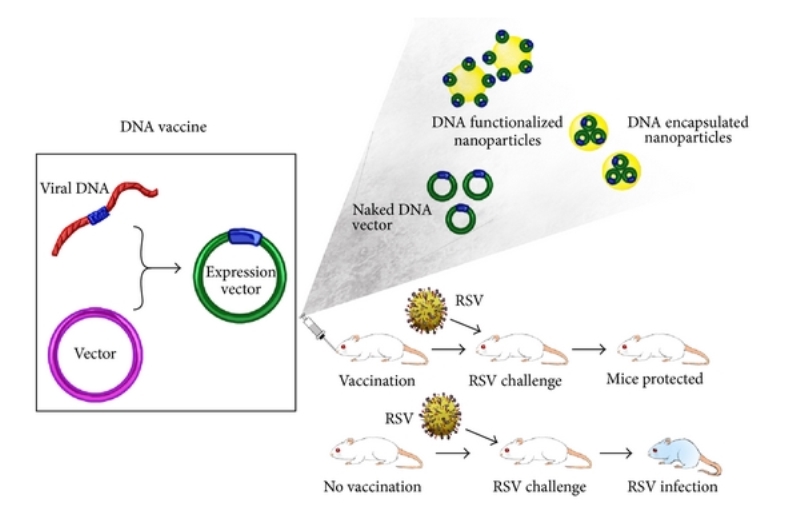
Nanoparticle drug delivery involves encapsulating drugs in ultra-tiny nanoparticles, enabling accurate delivery and controlled release of their therapeutic agents. This strategy should be able to minimize side-effects, and reduce both dosage and dosage frequency. That’s all we know about this exciting project to date, but we’ll tell you about progress when more news breaks.
Related
About COVID Virus Variants and Vaccines
94% Less COVID Hospitalization After Vaccine
Preview Image: Encapsulation for Controlled Delivery