Could it be true that we know more about our solar system, than the depths of our oceans? Perhaps not, but it seems to be a fact our scientists keep making new discoveries down there. Meanwhile, we keep polluting the surface of our planet with trash that we should be recycling. Our minds turn to the possibility of sourcing abundant green batteries from the ocean, well actually their critical materials at least.
Crab Shells Provide Abundant Electrolyte For Green Batteries
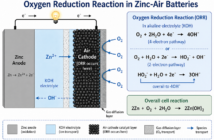
Many batteries we use today have flammable and / or corrosive materials. This poses a risk for users, while also making it more complicated to break the cells down for recycling. Engineering.Com confirms a team of scientists has found a way to make substitute electrolyte from crab shells.
The active material in the crab shells is a polymer called chitosan, derived from the exoskeletons of crustaceans like shrimps and crabs. This non-flammable material for abundant green battery electrolyte decomposes within five months using microbes , leaving behind recyclable metal zinc for another use.
Fresh Hope for Sodium Batteries from Seawater
Elsewhere, other scientists are developing a battery that can store and deliver electricity using seawater. This process depends on the sodium in the ocean water, and should be much cheaper than the current lithium alternative.
This line of reasoning holds promise for a cheaper, more environmentally friendly battery, which would also be non-flammable compared to lithium. If we were bring these abundant green batteries to market, then they would not require topping up, except for water or salt.
This prototype battery – which could be ideal for home and grid storage – extracts the sodium ions from seawater while charging, and stores them in the cathode until needed. However, it will take a while to complete the preliminary work, whereafter a development phase may follow.
More Information
Phenomenon Called Energy – Can We See It?