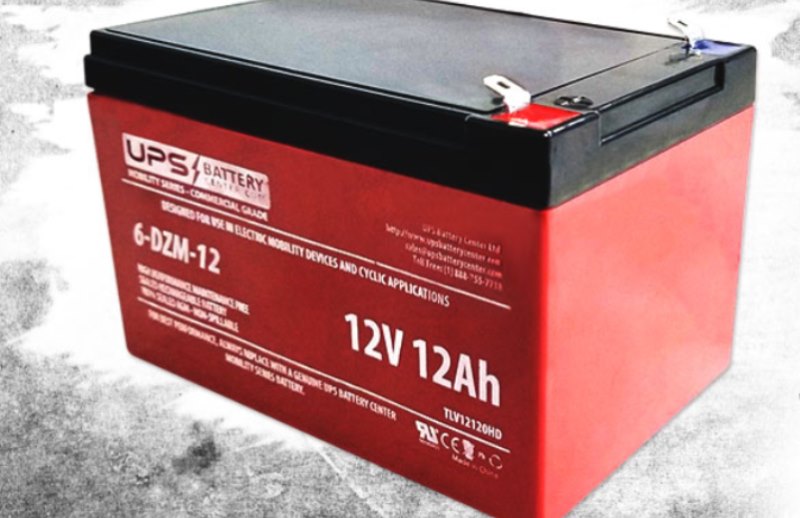
Folk sometimes ask us why we are still manufacturing lead acid batteries when there is newer technology. ‘Don’t you folk know they are an 1859 model,’ they ask? ‘How come you don’t make those modern lithium batteries instead?’ We stop, smile and answer that’s a fair question. But you see the point is affordable lead acid batteries are dependable, and these are virtues people appreciate.
But First We Need to Share Some Battery Basics
It’s hard to believe there were times when people could not store electricity, and carry it around in containers. A lead acid battery – any battery in fact – contains one or more electro-chemical cells. Each of these cells has two electrodes that connect to the energy world beyond. Plus a separator that manages the flow of electrons between them.
These electrons are the result of a chemical reaction between those three components. When we charge a battery, we send a supply of electrons to the negative electrode we call the anode. These flow through the separator to the positive, cathode electrode when we connect the battery to a device. And that releases the flow of energy we call electric current.
How Lead Acid Batteries Are Affordable and Dependable
The electrodes in lead acid batteries are lead plates with chemical additives. The design varies, but the principle remains the same. Some 95% of all this lead is recycled when the batteries are worn out. This beats any alternative by some!
Recycling reduces the material cost below most other alternatives. The separator is made from abundantly available diluted sulfuric acid. Moreover, we can replenish spent lead acid batteries to almost new condition repeatedly by recharging them. This is as simple as connecting them to an external electricity source, that moves the electrons back from the cathode to the anode.
But the clincher is lead acid batteries are reliable and chemically safe. That’s why affordable, dependable lead acid batteries are still going strong after 162 years. And our customers keep returning again and again.
Related Posts
The First Rechargeable Batteries Were Lead
New Eco-Village Using Lead-Acid Storage
Preview Image: UPS Deep Cycle Mobility Battery