It may seem obvious that all batteries are not the same, but there is more to the truth than that. That’s because we are thinking of the different purposes for batteries that are diversifying rapidly.
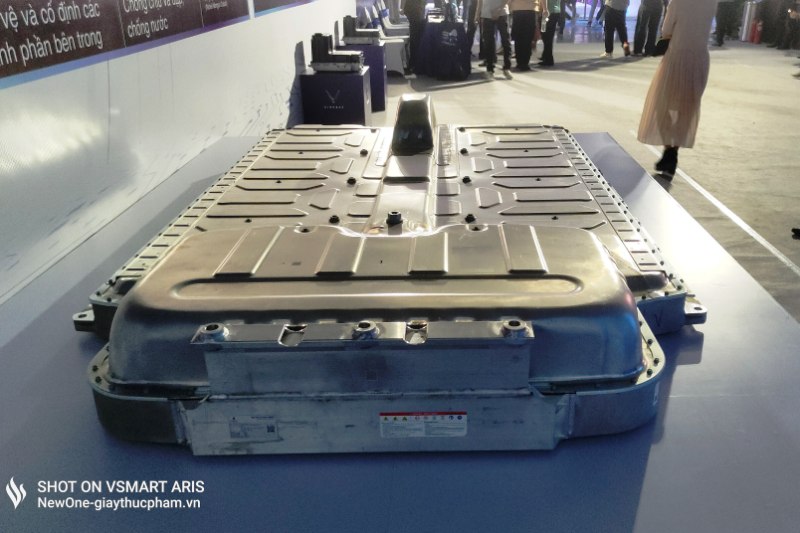
The first batteries were for flashlights. Later, ‘walkman’ audio-players and desktop computers arrived, although the goal was still for their batteries to last as long as possible. Noways, the news is more about electric cars and bulk energy storage, and each requires a very different battery.
No Single Battery Standard Nowadays
The overall goal of affordable, long-lasting batteries still remains. But there is no longer a single benchmark for their performance metrics, according to EES and others. Some devices call for maximum energy storage. While other users are more interested in how fast they recharge.
That’s why there’s no longer a single benchmark for what makes for a good battery. Battery makers are learning there is no single recipe. They now have to manufacture their products for particular applications.
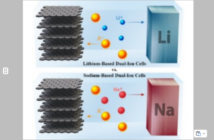
This is the fundamental reason behind the proliferation of different lithium battery types. Lithium-iron-phosphate dominates where cost, long life, and safety matter most. While nickel and manganese come into play where the market demands high energy storage and maximum performance.
China Shifts Gears Towards Greater Variety
This emerging trend is increasingly obvious in China, which seeks to satisfy both local and western markets. CATL, for example, offers a widely different range of batteries, from extreme charging all the way to safer sodium-ion from 2026 onward.
BYD, on the other hand, has its sights set firmly on electric vehicles. It is targeting longer driving range, fast charging, and safety even at extreme temperatures. All batteries no longer aim at the same targets. You get what you pay for. Choose your battery carefully.
More Information
CATL Super Fast Battery Challenges BYD