Battery aging is a process whereby a cell stores less and less energy, and delivers increasingly poor performance. We share all the secrets of battery aging in this post. The causes are a combination of calendar aging over time, and the cumulative effects of repeated recharging.
Calendar aging gradually reduces the ability of a battery to hold a charge. This is an inevitable development, although exposure to high temperature accelerates the process. But cyclical aging is different. It is the result of successive battery charges and discharges. These two unrelated mechanisms occur in parallel.
Chemical Secrets Contributing to Battery Aging
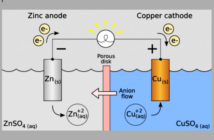
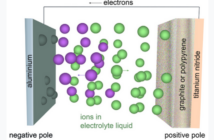
The power of electrolytes in batteries weakens with repeated charging and discharging. This means they can no longer facilitate the flow of ions between anodes and cathodes as effectively.
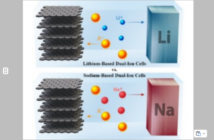
Lithium-ion batteries have two more structural weaknesses owing to their unstable chemistry. In the first instance, a solid interphase layer appears after the first charge, and gradually thickens to the point where it reduces battery efficiency.
However, and that’s not all, lithium ions can plate on the anode during cold weather, or while fast charging. This reduces the free ions available, affecting capacity. Spiky dendrites may sprout from the layer, and eventually short-circuit the battery too.
Battery Aging: Three Trends to Watch
In summary then, at this stage, there are three signs of battery degradation:
- A battery may progressively store less energy as its storage CAPACITY reduces.
- The useful calendar life may shorten, as its remaining LIFE CYCLE runs down.
- Current flow through the battery may slow, as internal RESISTANCE increases.
And finally, for now, we turn our attention to perhaps the most important of all the secrets of battery aging. Batteries contain chemicals, in fact these are tantamount to their fuel. Every charge-discharge cycle robs these chemicals of some of their power.
This is why batteries cannot continue working forever. We have more to share about this matter. We’ll be discussing the impact of the environment, and operating practices in an upcoming article.
More Information
Lithium-Ion Battery Failure and Aging