Lithium-ion batteries would be a great invention, were it not for their flammable liquid electrolyte. Sure, battery engineers have tamed this with battery management systems, but these add to the cost. Lately, a team of scientists has made progress with water electrolytes in aqueous lithium-metal batteries, and that’s worth reporting.
No Fires With Aqueous Lithium-Metal Batteries
Traditional lithium-ion batteries use flammable lithium metal dissolved in liquid solvent-based electrolyte. This preparation heats rapidly during a short-circuit, and can explode and burst into flames. This reaction is unlikely in quality products. However, with cheap imports like scooters, that may be another matter.
The scientists at Royal Melbourne Institute of Technology (RMIT) in Australia reviewed aqueous lithium-metal batteries. They reasoned that water does not burn, which would be a good start, although they knew they would need to add chemicals.
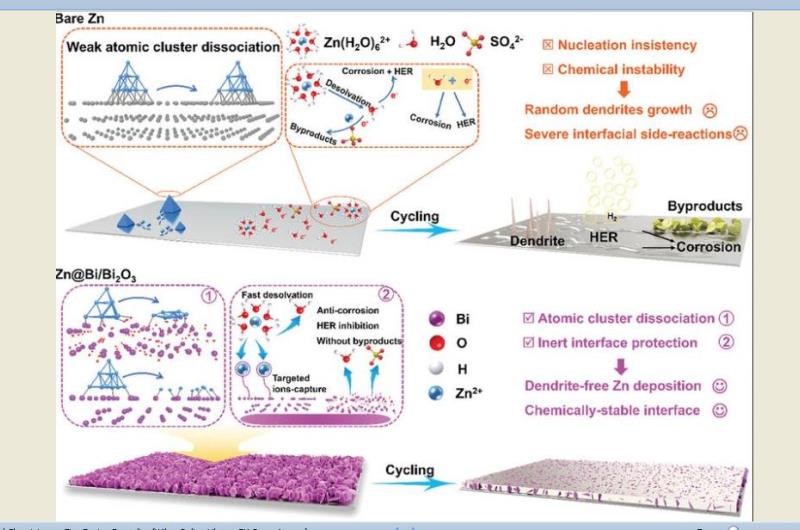
And so they experimented with various metals including inexpensive, readily-available magnesium and zinc, until they had their fire-proof solution with the latter. Zinc metal is not only cheaper than lithium. It is also less toxic, and this reduces the risk to human health throughout the product life cycle.
The team experienced dendrite problems though, as spiky crystal growths threatened to short circuit terminals. However, they were able to prevent this by coating the affected battery parts with a metal called bismuth and its associated oxide. We already find this brittle metal in fire detectors, fuses and solders, so it is quite common.
More Information About This Ground-Breaking Find
BNN News describes the potential of this discovery as ‘vast’, and holding the following promises:
- Aqueous ‘water batteries’ could be a more sustainable, safer option for household energy storage.
- But they also have potential for electric vehicles, and energy grids using renewable energy.
‘Our aqueous lithium-metal batteries now last significantly longer,’ the team leader told Renew Economy on February 22, 2024. ‘They are comparable to lithium-ion, making them ideal for high-speed and intensive use in real-world applications’.
More Information
Lightweight Lithium Metal Takes Center Stage