Nature.com released a report February 9, 2021, of Thai bats and pangolins with CORONA antibodies related to the SARS-CoV-2 virus. But this is not the first time news of this type is out. In fact, Daily Maverick cites numerous other studies concerning animal-to-human transfers. However, this is a timely reminder, on top of the World Health Organization’s (WHO) Wuhan study just completed.
More About This New Study
The research involved experts from WHO, a Bangkok hospital, and Chulalongkorn University, Bangkok Faculty of Medicine (see report below). They directed their work to pangolins and bats, because previous studies found CORONA-related viruses in both.
They also used serological surveys for their research, at a wildlife sanctuary as well as a wildlife checkpoint in Thailand. This method probes for immunity in serum and other body fluids, indicating current or past presence of a related virus. This time it helped them them to look for bats and pangolins with CORONA antibodies.
The project came together after they studied a colony of some 300 bats in a one-meter-diameter irrigation water pipe. Those sheltering in the ‘virtual cave’ were of the Rhinolophus Acuminatus horseshoe bat strain, common across Asia.
Research Shifts from Pangolins to Bats with CORONA Antibodies
The researchers discovered a ‘close relative’ to the SARS-CoV-2 strain in five of the bats. This had a 91.5% genome overlap with the virus causing COVID-19 infections in humans. They also found evidence of RacCS203 antibodies in a pangolin at the same wildlife check point.
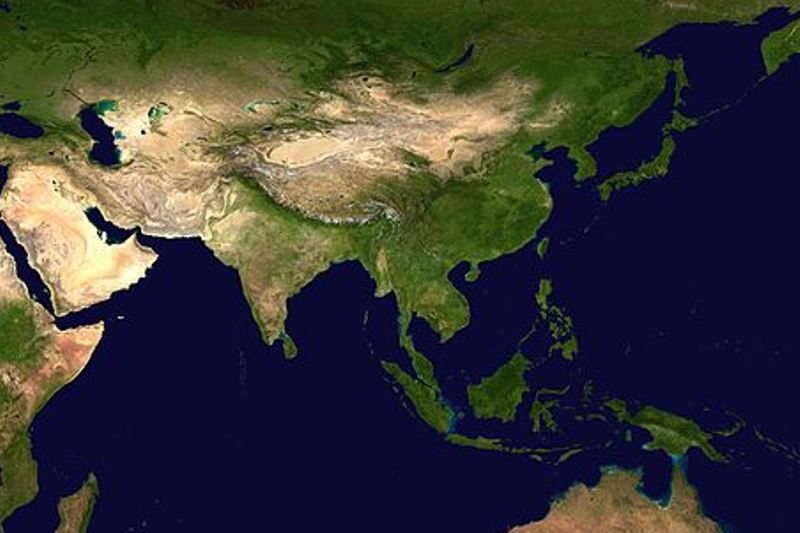
This appears to predict SARS-CoV-2-related coronaviruses in bats across many nations and regions in Asia. Rhinolophus Acuminatus horseshoe bats live freely in urban areas and forests in Brunei, Cambodia, Indonesia, Laos, Malaysia, the Philippines, and Thailand.
Baylor College, Texas laboratory supervisor Professor Joseph Petrosino surmises a pangolin and bat virus may have found themselves in the same animal. This might have conceivably produced a pandemic strain if the two organisms combined, but that’s still just a theory right now.
Origin of the SARS-CoV-2 Virus Unraveling
SARS-CoV-2 Look-Alike Found in a Bat
Preview Image: Rhinolophus Species Potential Range