

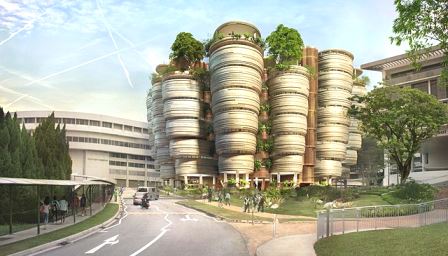
When we hike into the mountains and summit a new peak, a fresh horizon opens up before us. Historically, we wish we could say the same for batteries, for they all eventually end up in the recycling yard. The Straits Times has announced a battery life extension invention at Nanyang Technological University in Singapore set to change this.
An Interesting Proposition Regarding Battery Life Extension
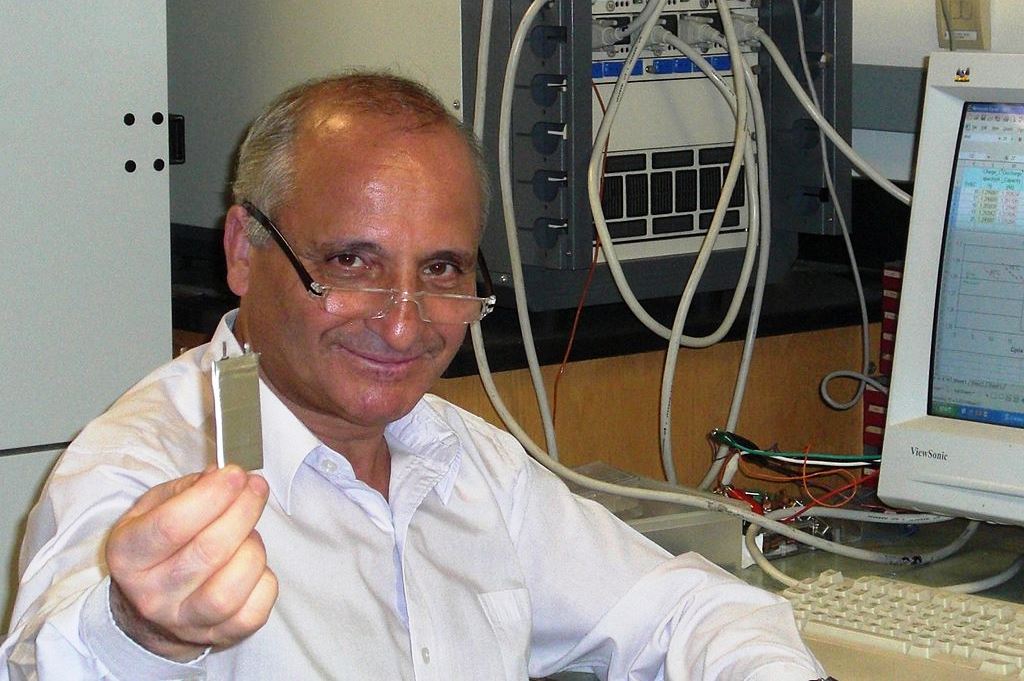
Professor Rachid Yazami is a French Moroccan scientist attached to Singapore University. His work on lithium batteries has made him sufficiently famous to have his own Wikipedia page.
He has been applying his mind to battery fade due to lithium ions trapping on one of the electrodes. The Prof came up with the disruptive idea of draining them away.
His invention, which has a working prototype, involves adding a third electrode to an ailing lithium battery. This attracts the rogue ions from the failing electrode and restores up to 95% of original power. But, will the industry take up his battery life extension idea?
What if Phones Lasted as Long as Cars
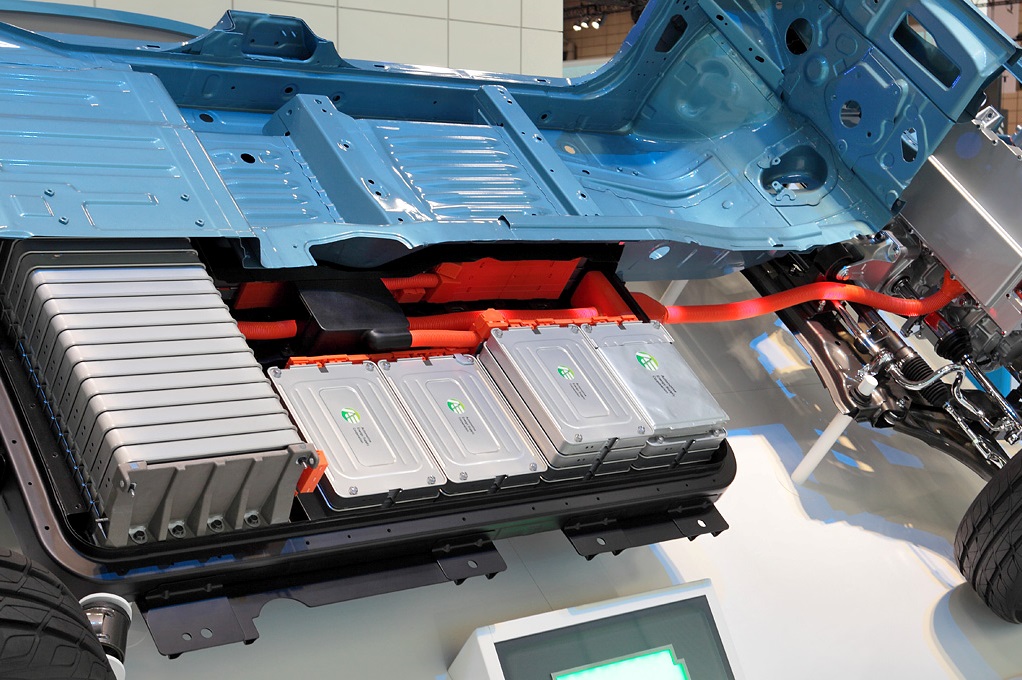
While Professor Rachid Yazami has electric cars in mind, he sees great benefits for mobile devices too. He thinks Apple could especially benefit, following on the recent debacle regarding poor operating performance. However, many people simply replace their devices when their batteries start wearing out.
This has given birth to a massive industry continuously tweaking phones to encourage purchases. If phone batteries lasted for ten years, some consumers would prefer to stick to what they already understood. Thus, battery life extension is a two-edged sword.
“So maybe battery manufacturers will not like me, but the end users, the customers, I think they will like it,” Prof Yazami told The Straits Times on January 8 2018. His battery life extension method takes up to ten hours per application. However, it would only be necessary once every few years.
Related
Lithium Battery Aging Explained
Apple is Under the Whip Over Batteries
Preview Image: Nanyang Technological University Campus Building


