Our society has reached the stage where we insist on having high performance, long-lasting batteries. We look past the uncomfortable truth that these batteries have binders containing fluorinated polymers that hold the bits together. Alicia Bataglia from Toronto University has been cloning battery binders from the sea, instead of using fluorinated polymers.
What’s the Problem With Fluorinated Polymer Binders?
Fluorinated polymers have great chemical and thermal stability, and are very durable. But, unfortunately, their chemicals take a long time to degrade. They earned the nickname ‘forever chemicals’ because they pollute soil, water, and even human flesh for centuries, like ‘ticking time bombs’.
Alicia Bataglia pondered over the way we accept this situation, because we get better batteries in return. She realized that this approach conflicted with the principle that everything, including batteries, must be sustainable. Then she thought about the sustainable forever ocean, and life in the depths …
Lessons From Battery Binders In The Sea
Alicia Bataglia thought deeply about the possibility of cloning battery binders from life in the sea. She already knew that many marine creatures were able to attach themselves to wet surfaces.
Common examples include binnacles clinging to rocks, and hulls of ships. Not to mention octopuses attaching themselves to surfaces as they move about, and their prey for that matter.
Mussels, to cite another example, have an amino acid in their protein that grips most surfaces. And, this is where it gets interesting, the protein hardens very quickly when it reacts with oxygen as the water recedes.
Then Alicia Bataglia turned her attention to marine plants, and how they bond firmly to surfaces thanks to the ‘gallol’ in their protein. Alicia – who is a post-doctoral researcher – worked with Prof Dwight Seferos to develop a gallol-based polymer binder.
“Our results were remarkable,” she recalls. “Our gallol-based zinc batteries maintained 52% higher energy efficiency after 8,000 charge-discharge cycles, compared to conventional batteries that use fluorinated binders.
“That translates to longer-lasting devices, fewer replacements, and a smaller environmental footprint. Our findings are proof that performance and sustainability indeed can go hand-in-hand.”
More Information
Removing Forever Battery Chemicals For Good
Battery Separator from Seaweed Nanoparticles
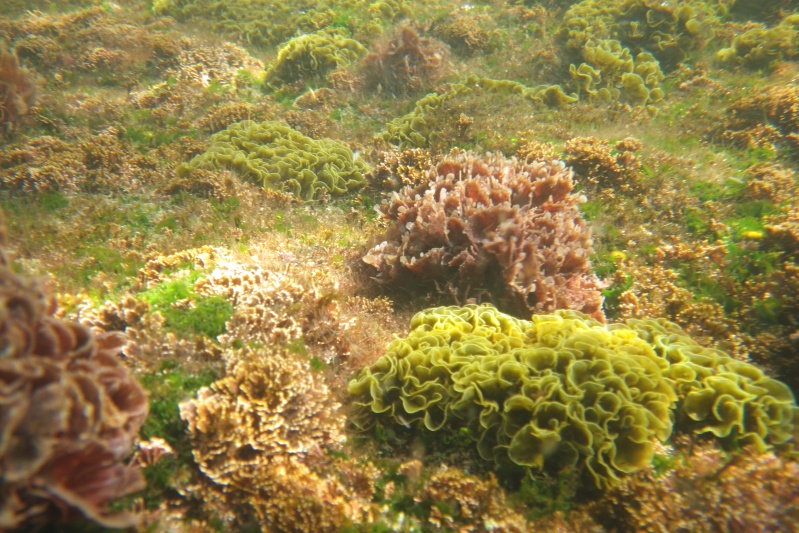
Preview Image: Seaweed Covers Rocky Seabed