Waldemar Junger invented two batteries in 1899 in Sweden. These used nickel-cadmium, and nickel-iron technology respectively. He soon discarded the latter without a patent, because hydrogen emission prevented him sealing it. In 1903, Thomas Edison obtained a patent for nickel-iron batteries with a view to commercializing them.
A Potted History of Nickel-Iron Batteries
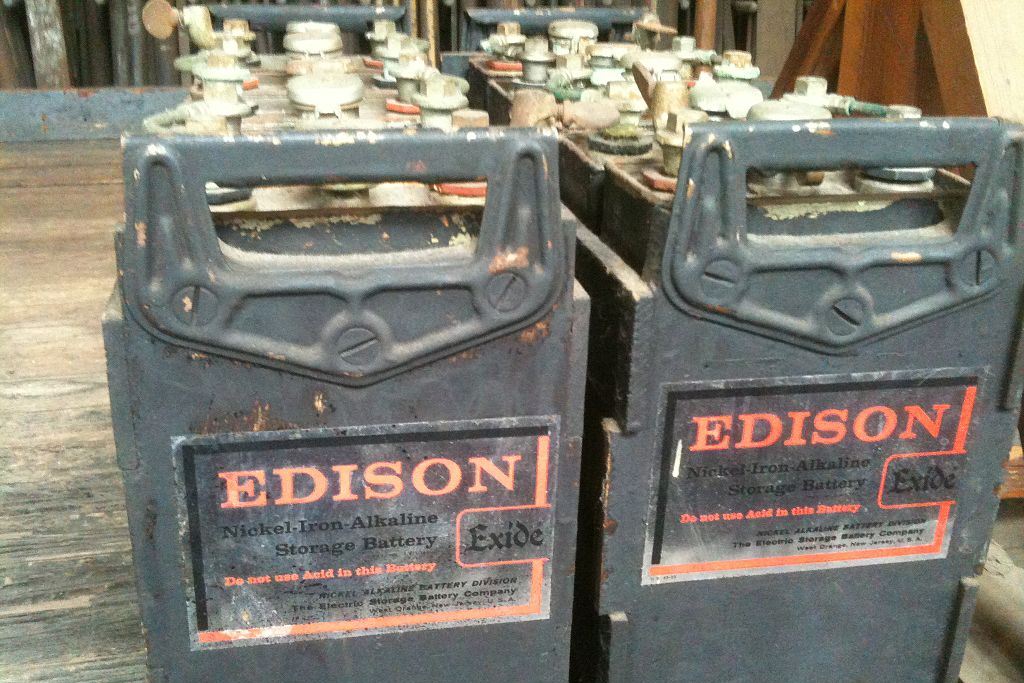
Thomas Edison hoped to replace lead-acid batteries in early electric cars with a more durable, lightweight alternative. However, customers found them prone to leaking and the idea did not catch on.
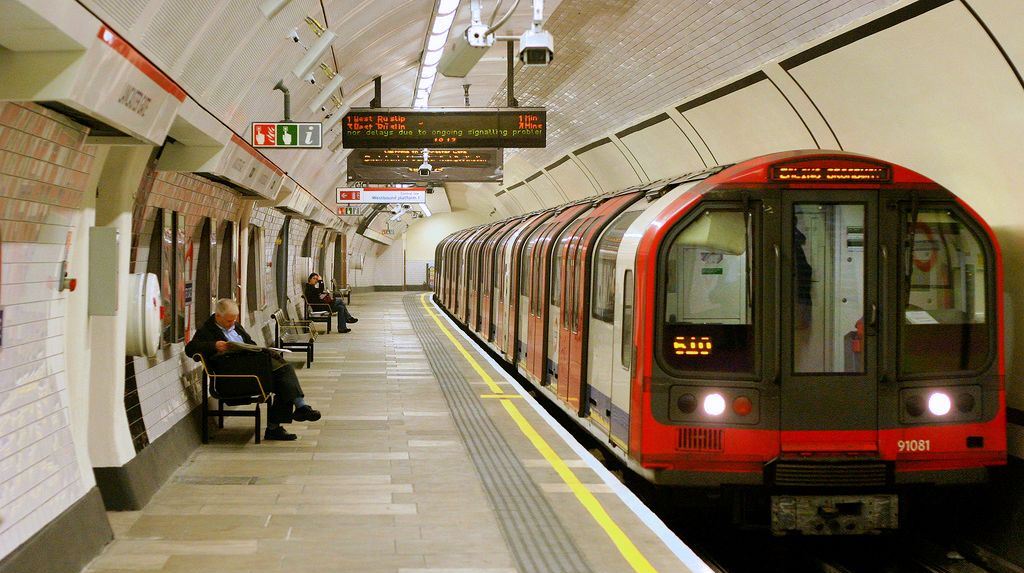
Henry Ford’s Model T gasoline car already had the high ground by the time Edison came up with a 1910 improvement. Although, his nickel-iron batteries proved effective in electric and diesel railways, headlamps for miners, and as backup in railroad crossing signals. Many railway vehicles still use them, including the New York City Subway car, and London Underground electric locomotives
The Amazing Sustainability of Nickel-Iron Batteries
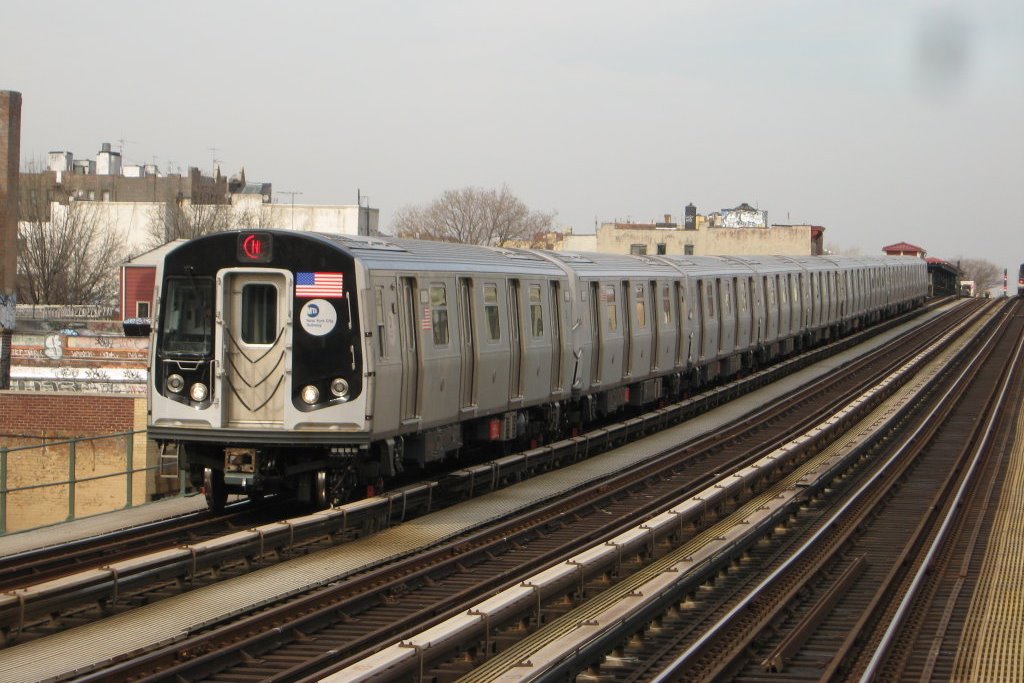
Nickel-iron batteries are exceptionally robust, may last for 20 years, and are able to shrug off over-charging, over-discharging, and short-circuiting. However, they have ceded their market to other technologies because of cost, low specific energy, and poor charge retention.
In 2012, Stanford engineers took a second look at the design. Surely, they reasoned, here is a possible solution for grid storage and electric cars. They succeeded in improving the design to the extent that nickel-iron batteries obtained new life in telephone exchanges. In the end, they had a faster product capable of charging and discharging in seconds, with no possibility of exploding or catching fire.
However, once again it seems other technology has put nickel-iron batteries on the back foot. Lithium-ion is performing well, solid-state batteries are on their way, and supercapacitors are entrenched in fast charge / fast discharge applications.
There are ongoing attempts to use them to make hydrogen for fuel cells. However, that too seems to remain an academic dream, at least for now.
Related
Ernst Waldemar Jungner and his Portable Batteries
The Aspiration of Thomas Edison to Improve EV’s Batteries
Preview Image: Lancaster Gate Underground Station, London