A startup is marketing a ‘cool way’ to cut electricity bills in data centers, where energy costs are rocketing. This is due to servers generating huge amounts of heat, and where they must avoid hot batteries. The startup’s proposal involves storing heat in a novel kind of battery during off-peak periods, and then using this energy while utility rates peak.
Using Ice Batteries to Cut Electricity Bills
A battery is a device for storing electricity so we can use it later. All batteries, from lead-acid to lithium-ion and beyond, apply this principle. However, each battery type varies in that they store their energy in different materials.The materials are lead and lithium in the case of our two examples.
We have seen a variety of innovations on this theme come to market recently. Notable examples include heat, compressed air, and gravity. The startup we feature today uses ice batteries for its energy storage, which is why we spoke of a ‘cool way’ to cut electricity bills in data centers.
There are several ways to free buildings from excessive heat. The ancients drew cool fresh air into their homes at ground level naturally, and then vented the warmed air through their roofs. Forced air flows, and air conditioning took us to the level where we are at now.
Circulating Chilled Water Through Buildings
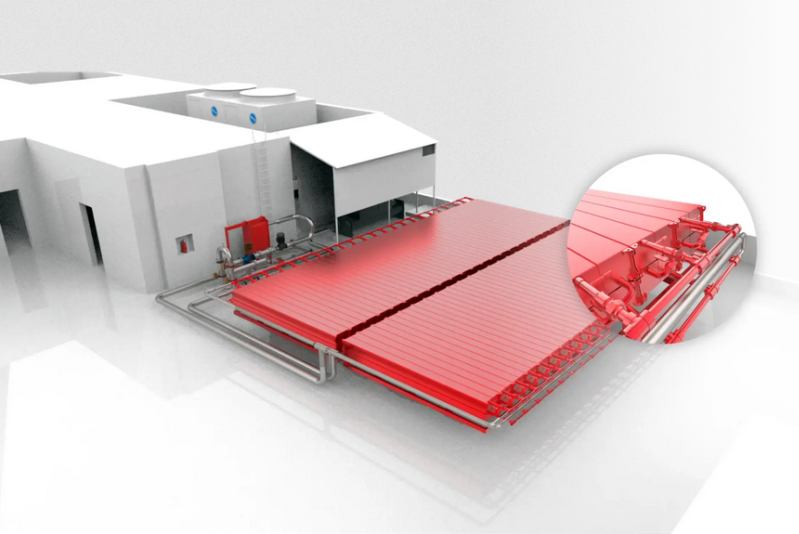
The startup we mentioned uses off-peak energy to freeze water into large ice blocks. Then it circulates cooling water in pipes through this ice during peak demand, to chill the water. This means the client no longer has to pay peak rates for their air conditioning . They pass the air over their chilled pipes instead.
The start up has installed pilot systems on the roofs of two large hotels, occupying space that was previously idle. Depending on the size of the roof, they claim their ice batteries could cut data center peak energy costs by up to 40%.
Data centers account for 3.5 % of North American electricity consumption. Ice batteries could contribute a significant saving in data center peak energy.
More Information
Data Center Energy Demand Escalates Rapidly