We share information courtesy of World Health Organization WHO, whom we know we can trust. If you are squeamish to matters physical, then you may like to give this article a miss. However, before you go, please consider this first: COVID-19 vaccines are not 100% effective, and COVID-19 spreads in ways you may need to know some day.
Common Methods of Coronavirus Transmission
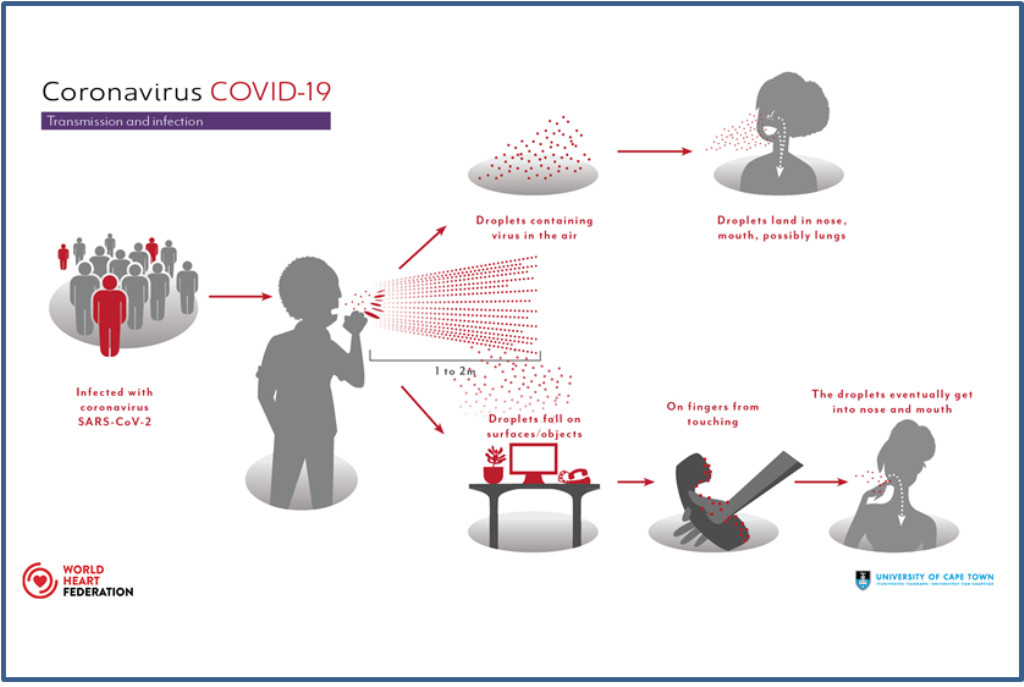
COVID-19 spreads in droplets of moisture that keep it alive for varying periods. We can breathe this moisture in, when someone else exhales it. We can also transfer the droplets to our mouths and noses, after they settle on a surface and become fomites. However, the WHO says it is hard to distinguish between airborne, and fomite-based infections.
We wrote this post to broaden the topic, by describing COVID-19 spread in other ways you may not know. Briefly, these are as follows but hang on to your hat as you may deem necessary:
1… Scientists have observed live coronavirus in biological samples, including urine and feces although there’s no reported evidence of actual transmission.
2… Some studies found the virus in blood plasma or serum, again according to the WHO. But there’s no evidence of blood-borne transmission either.
3… There’s also some evidence of breast feeding mothers transferring the infection to their infants, but little reason to stop doing so, says World Health Organization
More COVID-19 Spread Data in Ways You Should Know
Humans, other warm-blooded vertebrates, and birds can receive, carry and transmit the infection, at least in theory. The original SARS-CoV-2 virus may have transferred from bats, but that’s still largely speculation. We have seen reports the virus may infect dogs, cats and farmed mink for example. Onward transmission to humans is unclear, although it’s a good idea to sanitize our hands after touching them.
Related
Denmark Locked Down as Mink Cases Surge
Virus Transmitted to Baby in Mother’s Womb
Preview Image: Coronavirus Transmission