The U.S. may well have produced COVID vaccines at warp speed, but the process began ten years earlier. So said American Medical Association (AMA) director Peter Hotez, MD PhD on February 26, 2021. The fruits of the decade of vaccine research have ripened since then. This after dedicated work created the foundation others built on.
The COVID Pandemic Added the Final Impetus
The COVID pandemic enlivened global cooperation after a world of scientists realized they were in it together. However, as American scientist Thomas Edison said ‘genius is 1% inspiration and 99% perspiration’. We wrote this post to salute the work of unsung heroes who burned candles at both ends. While the world partied until we discovered how serious the coronavirus was.
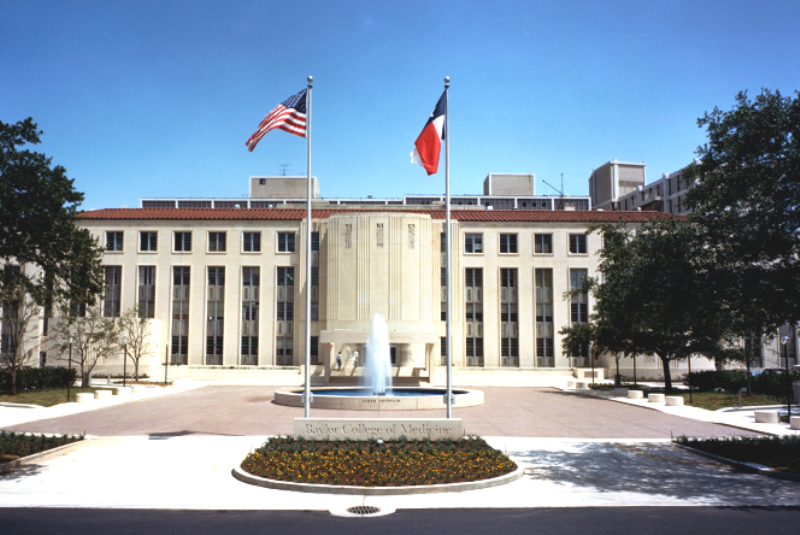
Peter Hotez describes how one wing of this research developed at Baylor College of Medicine in Houston. He told Sarah Berg how Baylor did foundation work ‘big pharma companies were not in a position to do’. That’s because there was ‘no financial model’ for shareholders to sink funds in.
The Decade of Vaccine Research Involving Baylor College
The largely unsung work began ten years ago, Peter Hotez, professor of pediatrics, molecular virology and microbiology at Baylor explains. They linked up with Shibo Jiang and Lanying Du at New York Blood Center doing research on coronavirus vaccines.
They had a pretty good idea what was needed, he says. And so they formed a consortium with Galveston National Laboratory and Walter Reed Army Institute of Research. A decade of vaccine research took off, when they learned the spike protein was the ‘soft underbelly of the virus’. And if they delivered it as a vaccine, it induced highly-effective antibodies.
‘All that work we did over the last decade laid the groundwork for our current generation of COVID-19 vaccines’ says Peter Hotez. Genius is indeed 1% inspiration, and 99% perspiration’ or so it seems.
Related
Pfizer-BioNTech Effective for Kids 12 to 15
AstraZeneca Efficacy in U.S. Reconfirmed
Preview Image: Baylor, University of Houston