There’s so much hype going around, some folk forget their battery basics. And then purchase the wrong battery types and regret they go flat so quickly. Did you know the first batteries did not store electricity? They generated the electrochemical energy so scientists could discover how it worked. Read on to learn more facts about batteries.
Facts About Batteries Every Kid Should Know
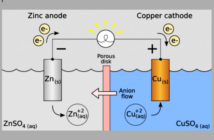
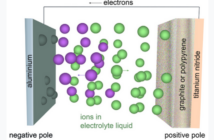
Electrochemical batteries don’t use mechanical energy like generators. Instead, they use chemicals to move their ions between terminals to energize devices. They can do this until they run out of ions. However, if they are rechargeable, we can put these back and start the process again.
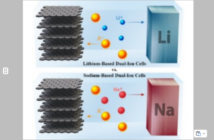
Most batteries have more batteries inside them. We call these individual batteries cells, and we can join them up to multiply their power. However, the most important fact about batteries is their chemicals vary. So you need the right combination for your particular application.
Different Batteries for Different Applications
The first commercial batteries, or cells were lead-acid ones using the same technology we manufacture today at our factory. Later, alkaline, nickel metal hydride, nickel cadmium, lithium-ion, and lithium polymer ones followed. Which of them is right for your application?
- LEAD-ACID BATTERIES are great when you need large amounts of solid, dependable power. Choose between wet cell, absorbed glass mat, and gel cell.
- ALKALINE BATTERIES are best for calculators, flash lights, toys, portable radios, and any other run of the mill, low demand application. But you can’t recharge them safely.
- NICKEL METAL-HYDRIDE BATTERIES are an improvement, because you can recharge some. But this takes a long time, and they self-discharge quickly.
- NICKEL CADMIUM BATTERIES are also for small, low demand devices. They recharge faster but there’s a catch. You have to recharge them fully every time.
- LITHIUM-ION BATTERIES for electronic devices are as powerful as nickel cadmium ones. But you can recharge them faster, and they don’t have memory problems.
- LITHIUM POLYMER BATTERIES combine high power with low weight, but take longer to charge than lithium-ion. They are the go-to solution for robotics fans.
Choose the right batteries for your application. End up spending less in the long run! Know the true facts about batteries. Don’t be taken in by cheap brands and false promises.
More Information
Community Batteries Flicker On in Australia