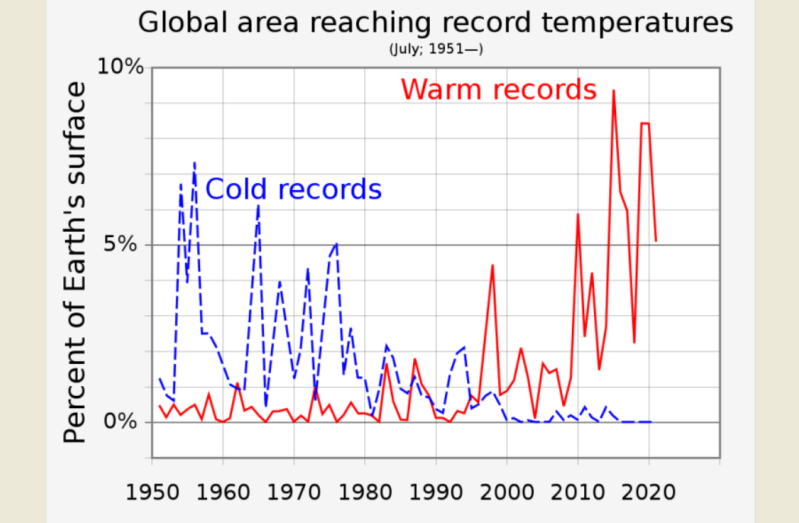
Atmospheric heat fuels severe weather, because it feeds large storms. Earth Justice explains how hotter air from global warming increases evaporation adding more water to the atmosphere. Storms sweep this water vapor up, and convert it to rain and snow. But that’s not the end of the conundrum. Heat severe weather and utility grids are in a deadly embrace too.
Heat Severe Weather and Utility Grids Also Related
Large storms take sections of utility grids down, affecting their ability to deliver. However by then, the heat itself will have reduced their ability to perform optimally. As Arcadia succinctly puts it, ‘Our power grid wasn’t built for today’s climate’.
- Demand on utilities increases during cold snaps, as customers turn up their heating, and by the same token when they set their aircon to max cooling on a hot day.
- However, utility grids also lose some of their efficiency on hot days as their equipment overheats, or their power lines expand and droop down towards raging wild fires.
A utility’s only option – short of collapsing the grid – is to deny electricity to some of its customers. But ironically those customers’ lifestyle is what is causing our planet to warm in the first place. Heat severe weather and utility grids are whipping up a perfect storm in that sense too.
Renewable Energy Seems to Only Way to Stop This
We need to find a way to break this cycle, and the best way is to start right at the beginning. Earth’s atmosphere is warming because we are burning fossil fuel to release its energy. And this is adding carbon to our atmosphere.
We can halt this cycle by drawing our energy from natural wind, sun, and gravity instead. However, increasingly extreme weather events are warning us we are living on borrowed time. That’s because, if we continue the way we are, then global temperatures could rise another life-threatening three to four degrees celsius by the turn of this century.
Breaking News
Renewable Nations Bet on Battery Storage