

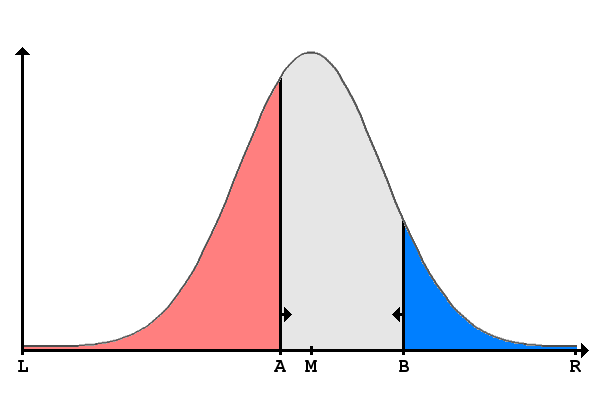
Scientists at John Hopkins Bloomberg School of Public Health in Baltimore have confirmed the median time to onset of symptoms. The midpoint in their data is 5.1 days. This median incubation period of Covid-19 virus therefore makes 14 days quarantine a reasonable period to monitor individuals. But there will be exceptions.
This Confirms U.S. Centers for Disease Control Advice
We now know with more certainty that 97.5% of active Covid-19 cases will show symptoms within 11.5 days. However, 1.01% or 101 in every 10,000 infected people will incubate for longer. These results first appeared in the Annals of Internal Medicine on March 10, 2020.
The John Hopkins scientists based their findings on 181 cases in China, and other countries confirmed before February 24, 2020. They had media reports regarding likely dates of exposure, and first appearance of symptoms. Almost all cases traveled to or from Wuhan China, or were the result of close contact with someone who did.
Applying the Median Incubation Period of Covid-19 Virus in Practice
The report considers whether 1.01% undetected cases after 14 days active-monitoring is an acceptable risk to take. It finds this depends on the considered risk of infection in the population, and the likely cost to the community. The findings are therefore input to rational, evidence-based Covid-19 control policies, not absolute rules.
However, the median incubation period of Covid-19 virus of 5.1 days does provide a useful compass. That’s because health officials will have a basis for developing effective quarantine and other control measures. The John Hopkins team expects these measures will slow, and even stop the spread of the infection. However, we may not drop our guard because of the 1.01% of cases that delay longer before symptoms appear.
Related
Covid-19 Was Like a Bomb Says Italian Prof
Care Capacity Staggers Under Lombardy Virus
Preview Image: The Median Mid Point


