‘How shall I compare thee to a summer’s day’, William Shakespeare wrote to his lover centuries ago. However, we are far from his ‘darling buds of May’ nowadays. Because rough winds are shaking North America as we enter our ‘winter of discontent’. But we need a handle on reality. How should we compare our COVID-19 to get a sense of scale?
How Should We Compare Our Covid-19 Against Past Events?
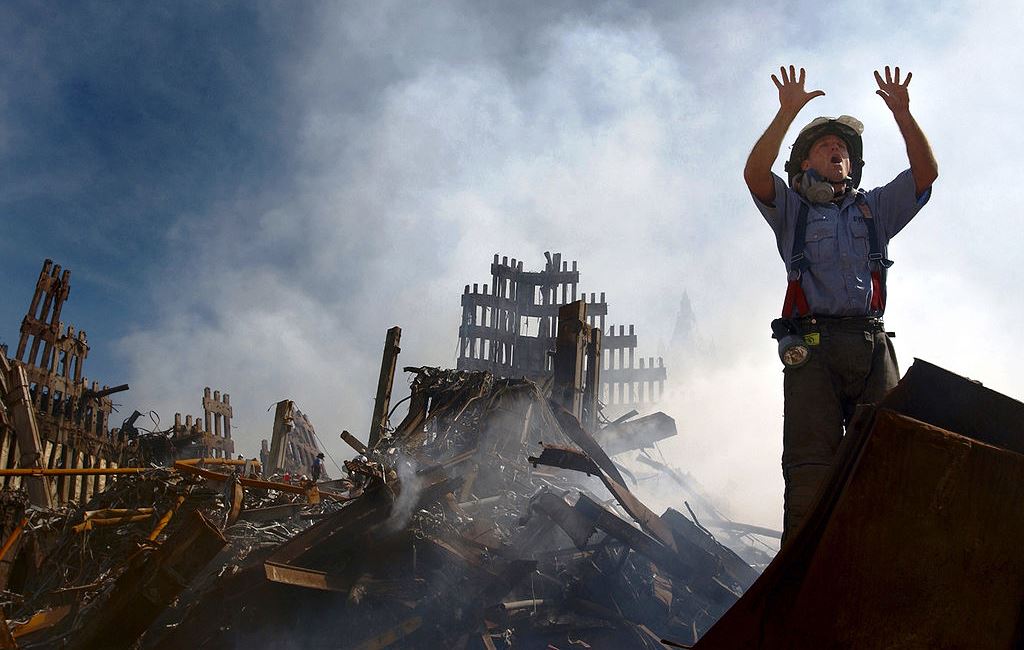
We have over 285,000 COVID deaths in North America as we write. That territory includes Canada, United States, Caribbean, Continental Bridge, and Greenland. It’s more than half the 407,300 US military deaths in World War II. The total COVID deaths are also 190 times greater than the Twin Towers fatalities.
Frontiers in Public Health brought these numbers into scale in July 2020, see report below. They took a grab sample of 1,264 ‘relatively healthy U.S. participants’ aged median 28.6 years. Over 90% knew about COVID-19. However, only 13.2% wore face masks, although the majority avoided ‘risky behaviors’. Their average mortality from the virus per 100,000 was 3.95.
How Did This Behavior Affect the U.S. Economy?
Frontiers in Public Health found 53% of their 1,264 relatively healthy participants were working from home. While 24% had stopped working, and 23% were ‘still physically going to work’.
Interestingly, 97% of the sample was avoiding travel, with a similar number not leaving home or eating outdoors. We expected Generation Z ‘Zoomers’ to make up their own minds, and so they did when compared to others.
How should we compare our COVID-19 nowadays? The disease did not turn out to be the walk in the park many hoped for even believed. The worst-affected state, New Jersey had a death rate of 195 per 100,000 on December 7, 2020. Those Zoomers were more fortunate back in July. Hang in there a little longer and we should have the vaccine.
Related
Difficult Time in US Public Health History
COVID Virus Was In US Before We Realized
Preview Image: New York City Fireman