We now have three COVID-19 vaccines generally available for use in North America. They each have the same purpose, although the way they achieve this varies. We thought this was a good time to summarize the important things to know about these vaccines. The most significant thing to remember is all three are safe to use, and they help counter severe disease and death.
Take the First Vaccine You Can Get
We don‘t have the luxury of time to exercise our consumer preferences, when it comes to the coronavirus. That’s because we can’t gauge what’s around the corner, and we could need the protection without warning. WESH virtual channel 2 serving Orlando, Florida touched sides with FDA, to compare the similarities and differences between the vaccines.
The most important thing to know about the vaccines is they all help our bodies develop immunity against the virus. Pfizer should achieve this 95% of the time, followed by Moderna 94%, and Johnson & Johnson 85%. However, Johnson & Johnson is the only one that trialed when variants were present. To confirm, our own immunity systems would achieve much poorer results.
Important Things to Know About Technology and Vaccines
Pfizer and Moderna both use mRNA technology. Their shots contain information enabling our bodies to make proteins that trigger an immune response. There’s no virus involved in the process, but our bodies need two shots to complete their lessons.
Johnson & Johnson vaccine uses an established technology that’s also the basis for flu jabs. It uses a ring-fenced version of a completely different virus, to deliver the instruction to our immune systems.
Therefore, none of the three vaccines have capability to transfer the COVID-19 coronavirus. If we want to catch it, we need to breathe it in, or touch an infected surface and then our mouths or noses. If we take whatever vaccine is available, we significantly reduce the consequences of infecting ourselves and falling ill.
Related
Can We Catch COVID-19 in a Hotel Room?
Taking a COVID Vaccine for Other People
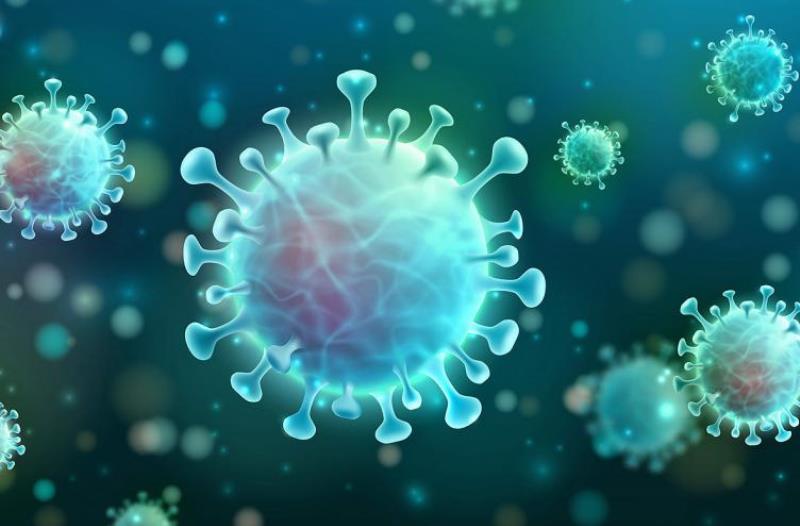
Preview Image: Illustration of SARS-CoV-2