Sooner or later we are going have to find a replacement for lithium-ion batteries. There are two main reasons for this. In the first instance, their key materials are in limited supply. In the second, they are not sufficiently stable in their current form to trust them in mission-critical applications. Now, new research suggests sodium-ion battery chemistry improves when using copper sulfide in an improved anode design.
Korean Advanced Institute Develops Improved Anode
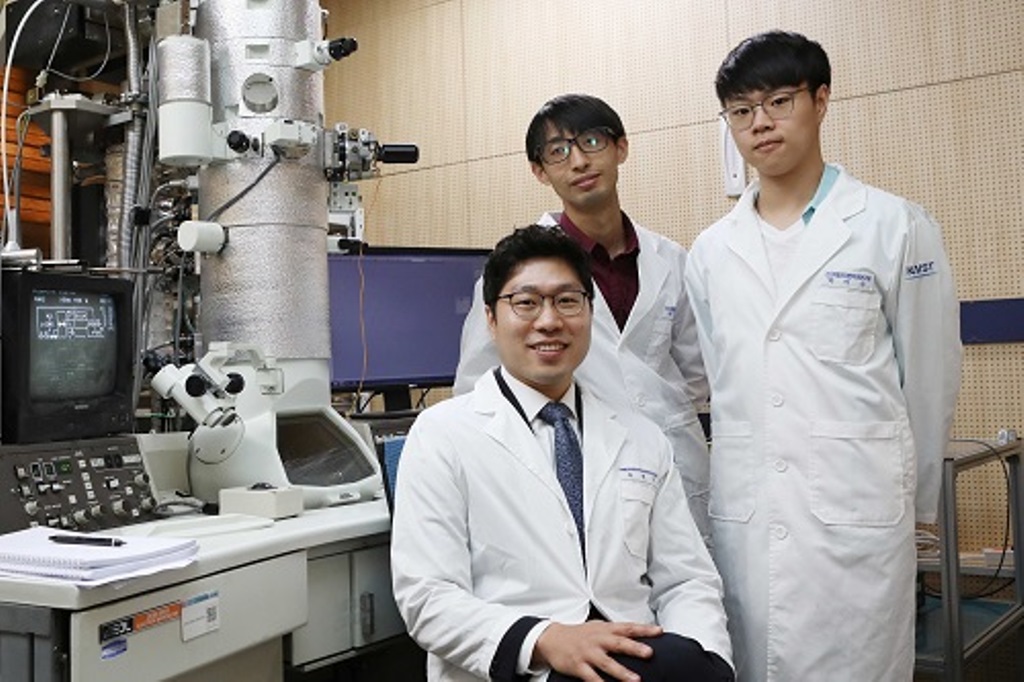
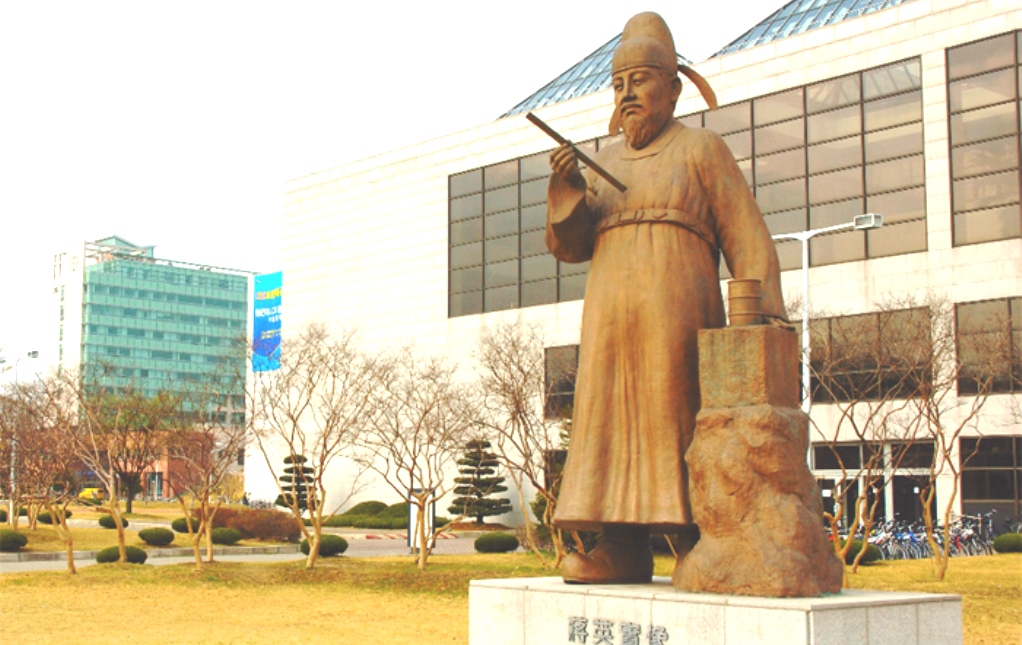
Design News reported on July 24, 2019 the Korea Advanced Institute of Science and Technology (KAIST) has made a leap forward. That’s because they have discovered how to use copper sulfide as an anode storage medium for sodium ion batteries
They say their strategy for “extending sodium ion battery cyclability using copper sulfide as the electrode material” has several benefits. They believe their sodium ion batteries “will have a lifetime of more than five years with one charge per a day”. Moreover, their improved anode using copper and sulfur outperformed lithium and cobalt by a considerable margin.
The Science Behind the Korean Copper-Sulfide Discovery
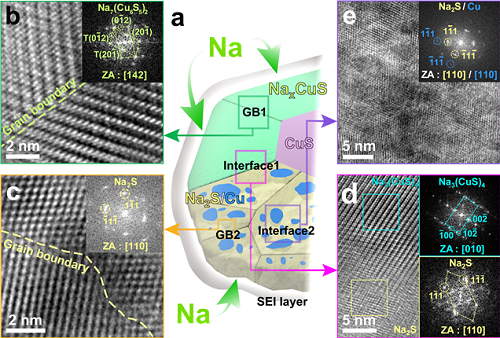
Commercial lithium-ion batteries have tended to influence electrode thinking because of their dominant position in the market. They use intercalation type materials (especially graphite) to store and release ions between planes of carbon.
However, this design has not come up to expectation in the case of sodium-ion chemistry. That’s because there is inadequate spacing between the carbon planes to accommodate sodium ions. Much research has gone into solving this challenge. However, the known alternatives have until now suffered from severe capacity degradation.
The Korea Advanced Institute of Science and Technology claims pulverized copper sulfide makes an considerably improved anode. They believe this could have a major role to play in low cost energy-storage solutions.
Related
How Does Intercalation Work in Batteries?
Liquid Sodium Batteries: The Ones to Watch
Preview Image: Korea Advanced Institute of Science and Technology