

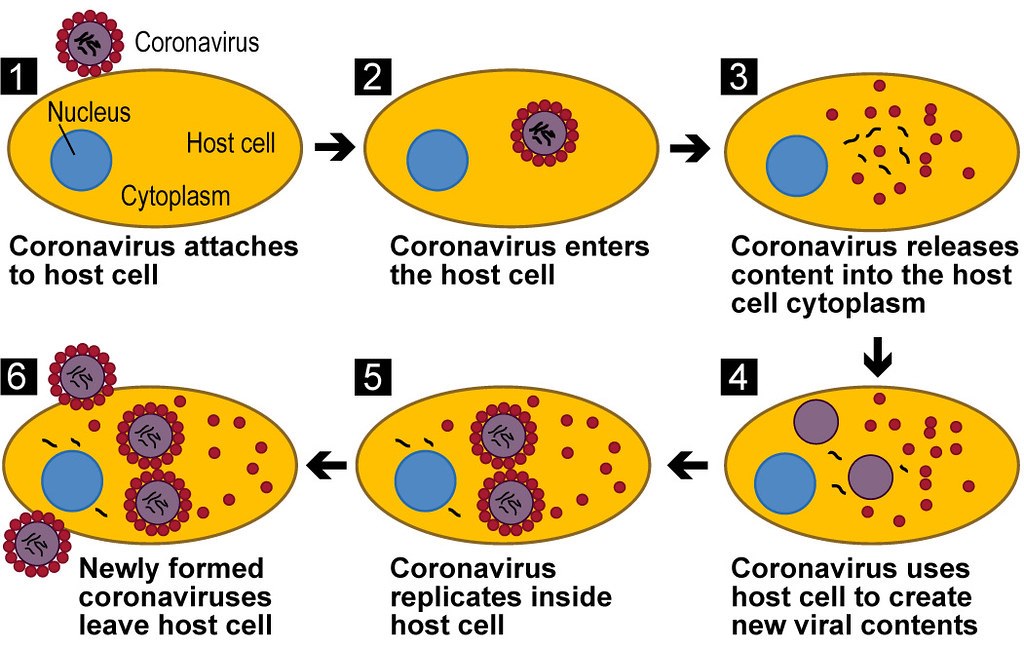
The Covid-19 strain of the coronavirus influenza has spread to over 60 countries with more than 100,000 infections. It will not ‘go away’ as some thought-leaders claim. It will continue to reproduce until we can vaccinate humanity. Setting that perhaps unlikely event aside what is the likely time delay to a Covid-19 vaccine?
The Likely Time Delay to a Covid-19 Vaccine Is a Year
James Gallagher who guest posts on leading news channels including BBC says his best guess is before Christmas 2020. A few possibilities are under test on animals, with human testing following later this year.
We must be cautious because a vaccine contains an agent that resembles the disease-causing microorganism. Moreover, it often comes from weakened or killed forms of the virus, its toxins, or one of its surface proteins. The likely time delay to a Covid-19 vaccine global rollout after we are past that point will depend on our capacity to mass-produce it.
James Gallagher Says That Means Mid-2021 at Best
That leaves us with the challenge of surviving a potential infection, and relying on our immune systems to protect us afterwards. If we are baby boomers, as is your scribe that could be a tough challenge because our reserves are running on low. The most practical defense for all of us is regularly sterilizing our hands . Fortunately the large majority of covid-19 infections should be easily managed.
We should however treat them right away with medicine for fever and pain and call our medical provider for advice. When we have an effective vaccine – as we surely shall – it will introduce a small, harmless sample of the virus to our immune system. This should recognize the invader and destroy it. The likely time delay to a Covid-19 vaccine is therefore the critical factor. Our thoughts are with scientists working towards this tirelessly around the world.
Related
The Anatomy of All Coronavirus Strains
Stocking up Food for Covid-19 Quarantine
Preview Image: How a Coronavirus Infects a Host


