It often seems as if big is best in our material world. We are amazed by the size of NASA’s mega moon rocket for example, but scarcely raise an eyebrow at micro satellites. Perhaps that’s why container-size flow batteries impress us. Meanwhile at Electric Energy Storage Center (EESC), they created battery architecture so small we may never see it.
Why Did EESC Create Micro Battery Architecture?
The EESC is a department in the Office of Science at U.S. Department of Energy. On a memorable day in 2019, department lead Gary Rubloff reached a remarkable decision. “Other researchers were focusing efforts on making materials in various particulate forms,’ he recalls. But Gary decided his team should follow a different route.
“We focused our attention on understanding the science that underpins batteries, by making model systems,” he continues. Such as tiny batteries where we have elegant ways of controlling the electrode shape and position.”
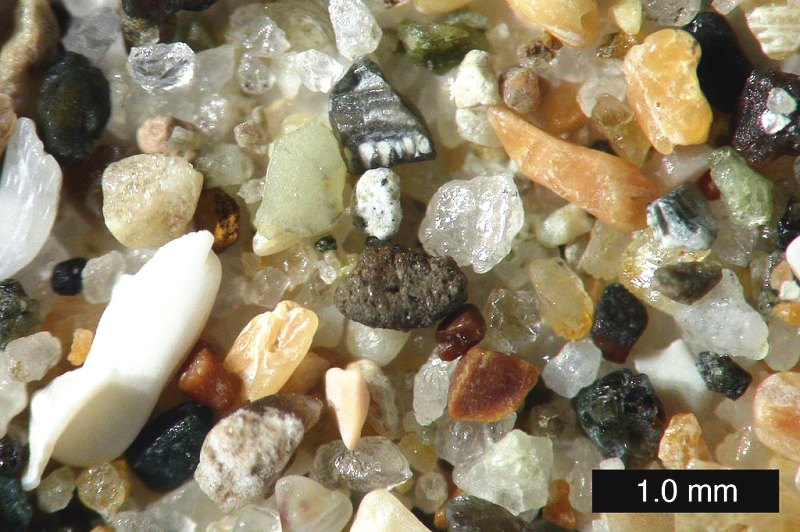
This was a radical departure for his fraternity. But none the less they built a battery that was one-millionth the size of a grain of sand. However, this was no idle idea to camp out on a corner of the record books. They wanted to know how their nano battery architecture reacted when they charged it.
How Practical Is This Development in The Real World?
Such pure science has little bearing on the real world. But then, Alessandro Volta’s colleagues might have said the same thing when they saw his ungainly pile for the first time. However, just imagine what the EESC’s nano-size battery might do for medical research. No to mention space exploration.
We may never gaze at a battery one-millionth the size of a grain of sand. We could say the same for many other studies of battery architecture. Thomas Edison’s mother was patient while he conducted hundreds of light bulb experiments. Pure science like this is not a luxury. It is an investment in a better electric future.
More Information
Electrochemical Battery Storage and Research
Energy Storage is a Key to Our Future