The new EU rules for batteries introduce a degree of transparency we did not see before. Their over-arching goal is to ensure consumers know the carbon footprint of every battery on sale in that territory. Battery and automotive manufacturing organizations have joined forces to query the EU method for calculating that footprint. We summarize their reasoning and counter-proposal here.
The Original Formula in the New EU Rules
The European Union rules seek to assess the carbon footprint of a battery using the end-of-life analysis model. Eco Chain explains how this requires the assessor to know what happens after a particular product in discarded. In other words, will recycling follow, or will it end its useful life there?
DIVA Portal published a report musing over these matters. The writer notes that the end-of-life model “can have a decisive impact on the environmental assessment of products that have a high content of recycled material. And also products that are recycled after use.” This embraces two different concepts, these being the product and material life cycles.
The battery and automotive manufacturing organizations are of the opinion that this ‘circular footprint model’ in the new EU battery rules is imperfect. That’s because “it assigns end-of-life emission credits for recycling activities that it assumes will take place in the future (and are therefore not verifiable at the time of calculation)”.
Business Lobby Proposes Circular Footprint Formula
The battery and automotive manufacturing organizations propose the EU uses the “cut-off” approach instead. This alternative method ignores “all credits or burdens associated with materials from previous or subsequent life cycles”.
The letter proposing this change (see link below) to the new EU rules would simplify the process, and ease pressure on manufacturers, they say. The above overview is a simplified introduction to a complex topic. Please follow the second set of links below to explore it further.
More Information
EU Battery Passports Support Transparency
Battery Swapping Services in Troubled Waters
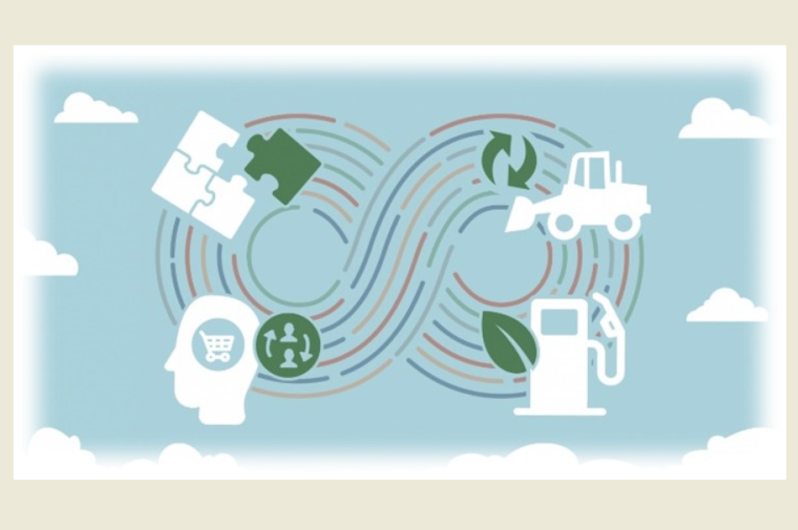
Preview Image: EU Circular Footprint Model
Battery and Automotive Manufacturing Organizations’ Letter
Second Set of Links
End of Life Modeling in Life Cycle Analysis