It’s essential to understand the difference between levelized, and normalized cost. The levelized cost of electricity is a payback approach. It says, how much electricity must we sell at what price to recoup our costs by when. Normalized electricity says, wait a moment. We need to take a broader view of all the costs and benefits of the proposal.
How Normalized Electricity Cost Goes About This
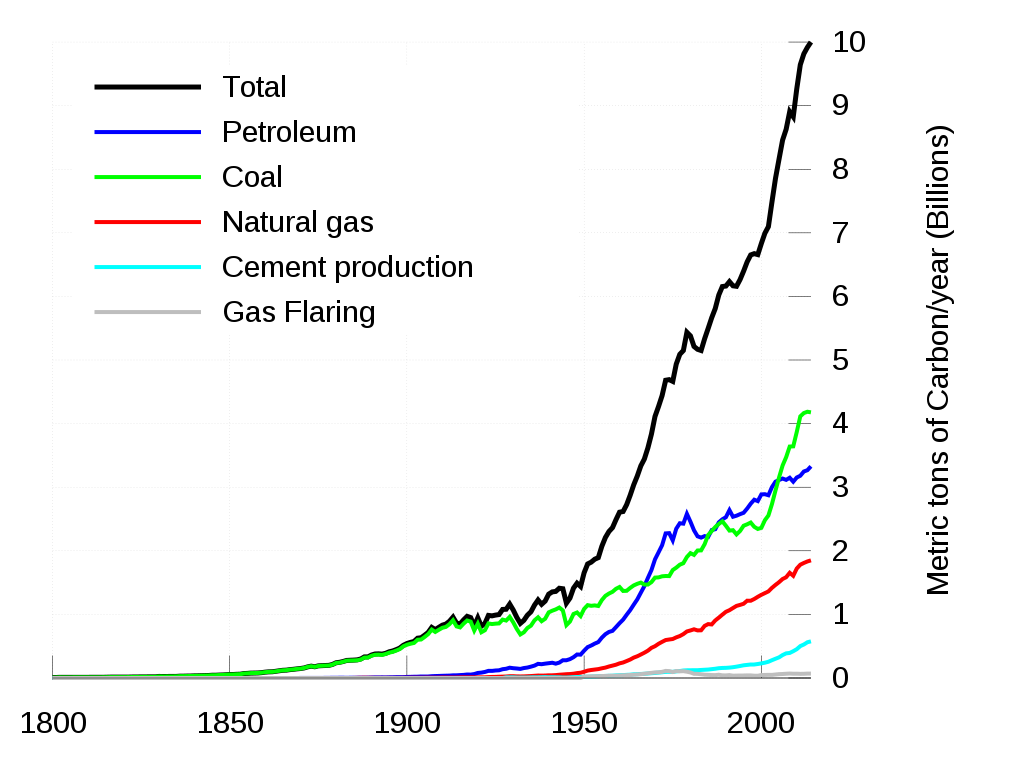
The normalized cost approach takes a wider view. It says for example, your diesel auto factory may make a profit but what about the implications for global warming? We have to do this, because new green energy project costs are in 2019 dollars, whereas a decades old coal power station dates from a different economic era.
Therefore, normalized electricity cost wants to include the social costs of the coal power station that accrue outside its balance sheet. It asks questions like what is the social cost of releasing greenhouse gases. Moreover what is the long term damage to the aquifer caused by coal mining? The answers to these fundamental questions may make wind and solar cheaper in reality.
Project 90 by 2030 Rips into Nuclear Illusion

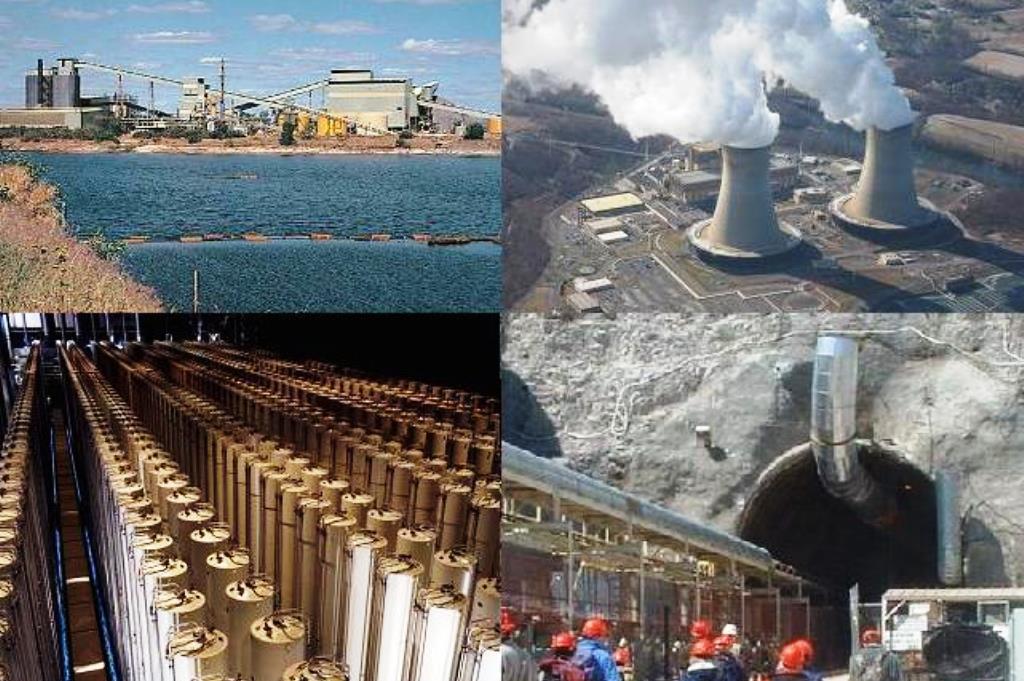
Project 90 wants to inspire and mobilize a low carbon generation. It disputes nuclear energy’s claim to be a cheap alternative to coal. What about the externalities it asks. We need to factor in the cost, and environmental impacts of uranium mining, enrichment, and disposing of spent fuel and nuclear waste.
Shale gas fracking is perhaps even more far reaching in terms of damage to the environment, atmospheric pollution, and the long-term implications underground. By comparison, the normalized electricity cost of solar, and especially wind is far closer to its capital and operating cost.
When somebody says green energy is more expensive perhaps we should say, shall we level the playing field first and then we shall see.
Related
Eurasian Climate Change – Russia
Duke Energy Abandoned Nuclear for Batteries
Preview Image: Cost Mix Of Nuclear