Car-size Curiosity Rover clocked up 2,000 Mars days (2,033 Earth Days) on March 22, 2018. This astounded scientists who watched it launch from Cape Canaveral on November 26, 2011. It landed on Mars on August 6, 2012, after traveling approximately 44 million miles. Since then Old Man Rover – as we call him – has kept trundling thanks to the two 42-ampere-hour lithium batteries that are its constant companions.
The Technology that Keeps Old Man Rover Going

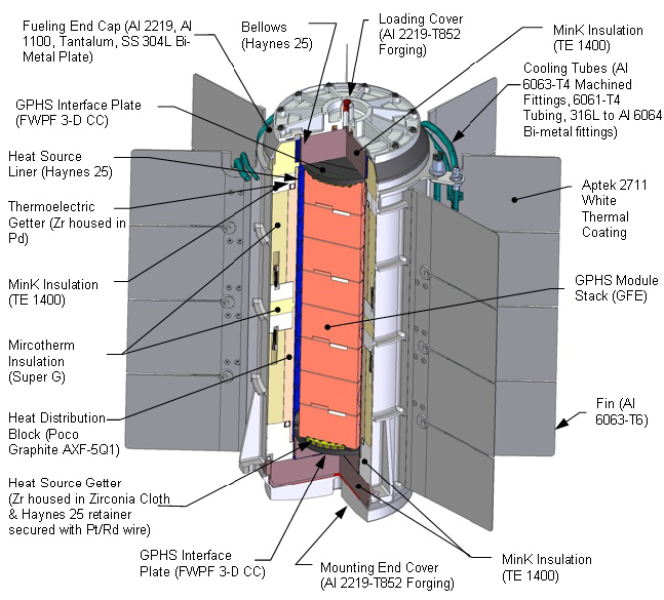
The power comes from a radioisotope thermo-electric generator (MMRTG) that produced 110 watts of electrical power, and about 2,000 watts of thermal power at the start of the mission. As the plutonium core decays over a 14-year design life, this will gradually fall to 100 watts.
This is sufficient energy to power Old Man Rover under average conditions, and to keep the lithium batteries in peak condition. However when it needs extra juice to surmount an obstacle, the lithium batteries add an extra burst of power. Scientists from across the world share the awesome responsibility of directing its path.
The Lessons Curiosity Rover Beamed Back to Earth
After the robot landed remarkably close to its target, the camera revealed it was facing its goal, Mount Sharp. Within 16 days, it had found pebbles in an ancient riverbed proving Mars once had water vapor in its atmosphere.
Discovery of shallow lakes and bays followed. These proved the planet once had capacity to support life, at least as we know it. Since then, Old Man Rover has trundled a total 11.27 miles at an average speed of 98 feet per hour. It has discovered many more things that astounded scientists.
However, its greatest message could be a stark warning of what our earth will look like, if global warming evaporates our water, and climate change turns out the way it did on Mars.
Related
Opportunity Rover Set to Warm Its Batteries
To Mars, and Perhaps with Lithium Too
Preview Image: Mars Without Water Vapor in the Atmosphere