We’ve previously been in the dark about what happens to COVID-19 patients before they show symptoms, or attract medical attention. Scientists at Imperial College London have been cautiously probing COVID-19 with deliberate infections, to discover what happens in early stages. They published their findings on March 21, 2022 and we link to their full report below.
Cautions While Probing COVID-19 with Deliberate Infections
The scientists took great care to minimize risks among their volunteers. All were aged between 18 and 30, and gave fully-informed consent. None of them had pre-existing factors such as being overweight, or having reduced kidney or liver function. None of them had any heart, lung or blood problems either.
The first group of ten volunteers received antiviral drug remdesivir to reduce their chances of severe disease. The research teams also had stocks of monoclonal antibodies in case anyone took a turn for the worse. However, the packages of medication were unused throughout the study. The volunteers stayed for two weeks in a hospital with special airflow facilities.
The Findings Largely Confirmed What We Always Suspected
The researchers administered tiny drops of infected fluid through long, thin tubes inserted into subject’s noses. Approximately half of them contracted the disease, and reported stuffy noses, congestion, sneezing and sore throats. But 83% of them also lost their sense of smell. One volunteer still has the problem after 6 months although it is subsiding.
Other noteworthy findings include:
1… A single drop of virus can cause an infection. This incubates for two days before it starts to shed into the air.
2… The shedding rate was highest before symptoms showed. The volunteers continued shedding for average 6.5 days.
3… The researchers detected virus at the back of throats after 40 hours. However, it took average 58 hours to appear in nasal swabs.
4… Rapid, at-home-type lateral flow tests were effective. Probing COVID-19 with deliberate infections therefore returned valuable benefits.
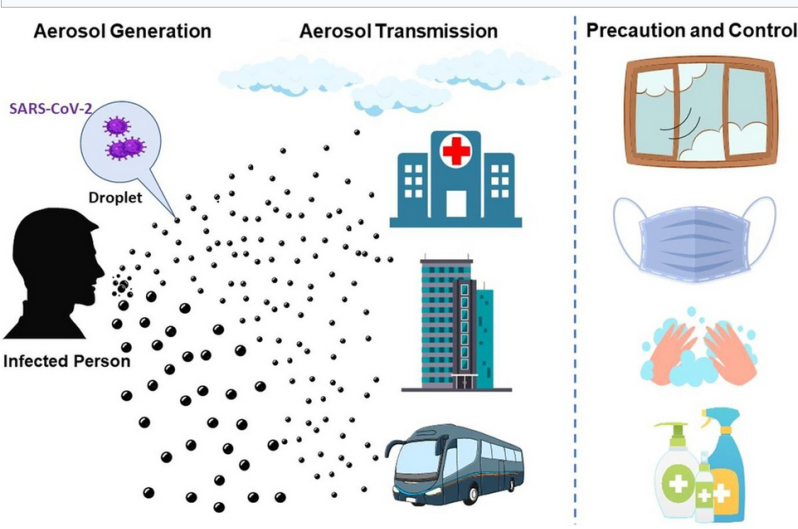
Perhaps the most important take away is we should cover our noses and mouths the moment we feel sick. That’s because whether we like or not, COVID-19 is still highly infectious.
Breaking News
Why So Many Catch COVID-19 Again in UK
Future View of Living in a Modern Epidemic