The U.S. National Institutes of Health introduced a rapid acceleration of diagnostics program, RADX. That’s because they aim to accelerate development and implementation of new technologies for COVID-19 tests. In the interim, they have shifted all non-mission-critical research to maintenance phase. This is in order to promote physical distancing among some of the nation’s finest medical minds.
Why the U.S Needs Rapid Acceleration of Diagnostics Now
The National Institutes of Health have moreover identified a number of deficiencies they wish to address in the current system:
1… The expanding pandemic and accelerating infections demand rapid increases in the number and quality of tests
2… Proven tests detect either viral RNA or viral antigens. Therefore processing is complex and results can take days
3… Current limitations have furthermore resulted in some populations being disproportionately affected by the disease
Therefore, the National Institutes of Health is calling for national availability of low-complexity, point-of-care molecular diagnostics with rapid results. Moreover, their plan for rapid acceleration of diagnostics follows the April 2020 announcement of the $1.5 billion federal stimulus.
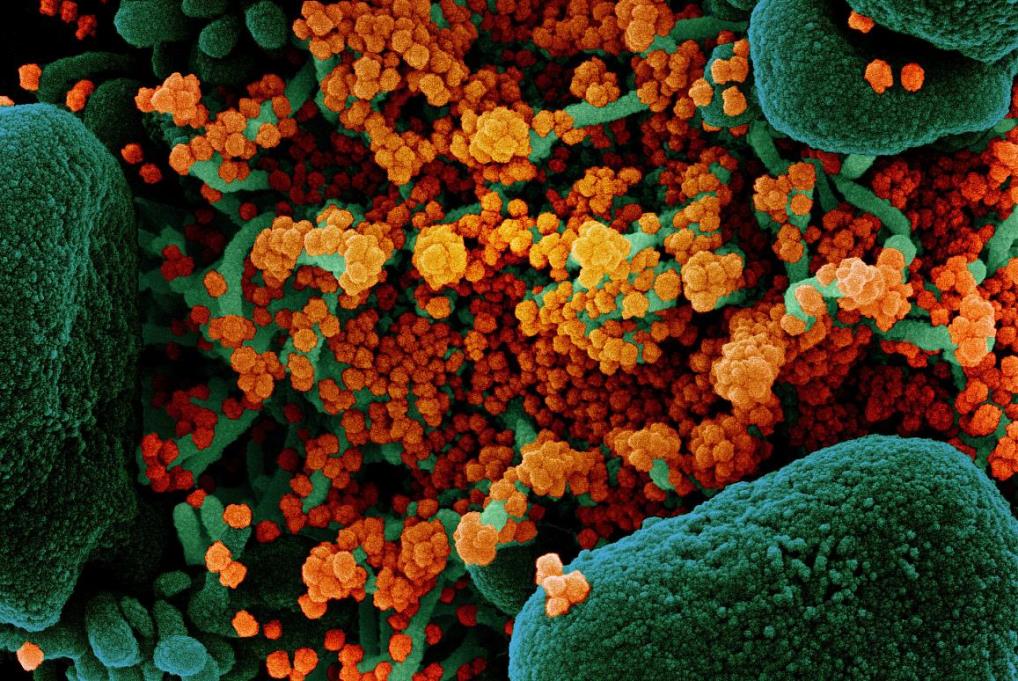
The Four Components of the NIH RADX Initiative
The goal is ambitious, because National Institutes of Health wants to see 6 million tests a day in the United States by December 2020. The first two components are fast-tracking new initiatives, and enabling up to 100,000 tests a day by fall.
Then the third leg will explore non-traditional methods, while finding new uses for existing ones. Whereas the fourth and final step will address the under-served populations. We echo the Institutes’ call for scientists and organizations to step with their ideas. National Institutes of Health is collaborating with other government organizations.
We salute this bold step forward. And we thank Biomedical Advanced Research and Development Authority, Centers for Disease Control and Prevention, Defense Advanced Research Projects Agency, and U.S. Food and Drug Administration for being part of the rapid acceleration of diagnostics project.
Related
Moderna Coronavirus Test Ready for Finals
New Vaccine Test in UK Brings Fresh Hope
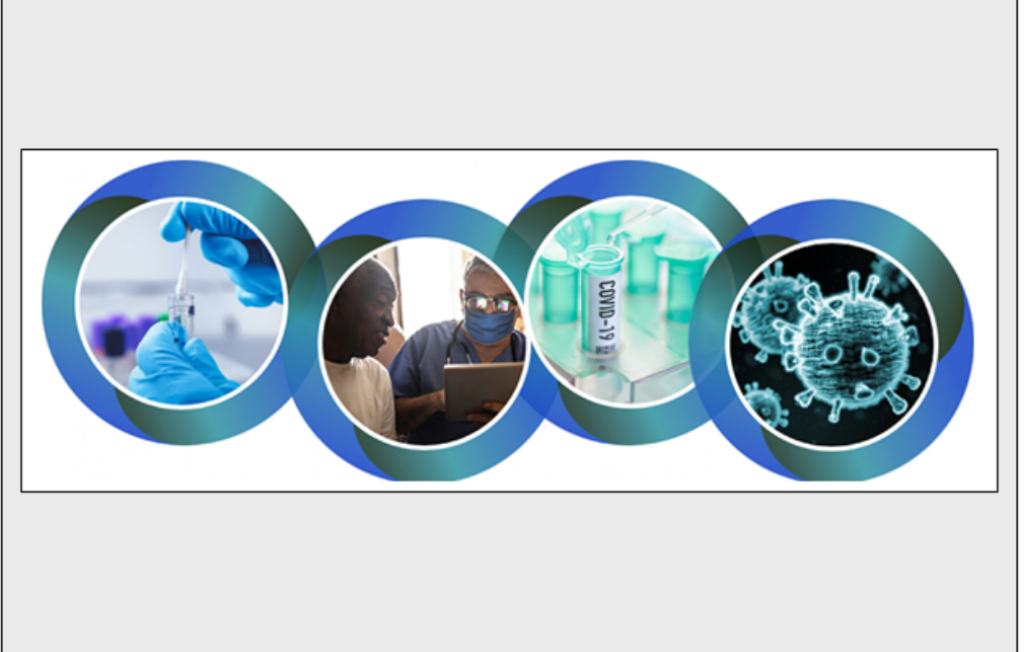
Preview Image: Rapid Acceleration of Diagnostics