Increasing demand for cobalt and nickel in energy storage and industry generally, hastens the need to access these materials efficiently. Recovering cobalt and nickel selectively from spent batteries would take pressure off the supply chain, if we could find a way to do so efficiently.
Electrochemically recovering cobalt and nickel is not ideal, because they have similar reduction potentials. Researchers at John Hopkins University in Baltimore, Maryland have found a way to do so selectively, using a cost-effective and recyclable bio-acid.
Recovering Cobalt and Nickel With Tartaric Acid
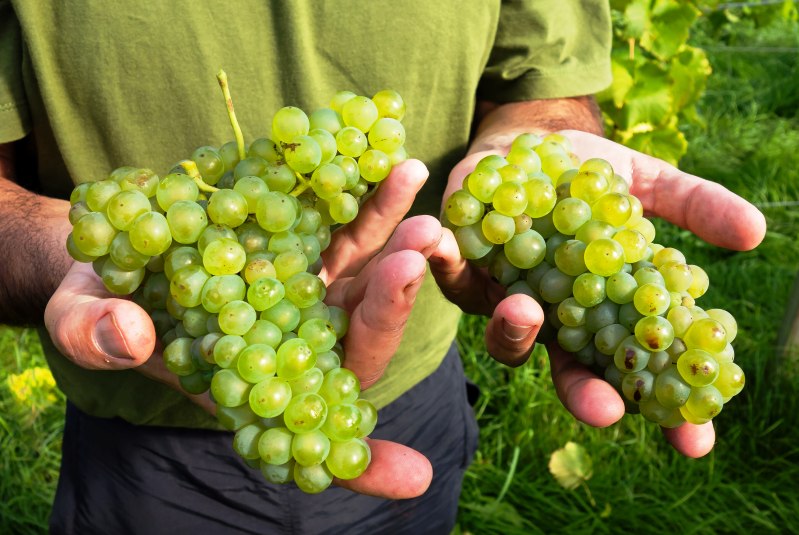
Tartaric acid occurs naturally in grapes, tamarinds and bananas. It is most commonly sourced by fermenting byproducts of the grape industry though. Food manufacturers use tartaric acid to adjust acidity in beverages, candies, dairy, and processed foods.
The John Hopkins team experimented with a number of bio-acids, to test their potential for recovering cobalt and nickel selectively from lithium-ion battery waste. They achieved their best results with tartaric acid as follows:
- 95.1% of cobalt recovered
- 96.5 % of nickel recovered
These results confirm that this method is superior to electrochemical recovery. Moreover, the environmental benefits demonstrate that it is a stable platform for selective cobalt and nickel separation.
A Tried-And Trusted Method For Metal Recovery
The John Hopkins scientists did not invent a new procedure. Interesting Engineering confirms that tartaric acid already plays a role in recovering dissolved copper ‘ion’ molecules, and depositing them on electrodes.
This tartaric acid method shows great potential for selectively recovering cobalt and nickel, in the context of ‘urban mining’ spent batteries that we cannot repurpose.
There are several reasons why we ought to do this recovery. In the first instance, new nickel and cobalt reserves are limited. While in the second instance, these reserves cluster in a few countries.
The John Hopkins ream tested several different bio-acids before they settled on tartaric acid. When this material interacts with their ions, nickel and cobalt become more amenable to selective separation.
More Information
Cobalt-Free Batteries With Organic Materials
Green Nickel for Sustainable Electrification
Preview Image: Nature Holds Many Secrets