

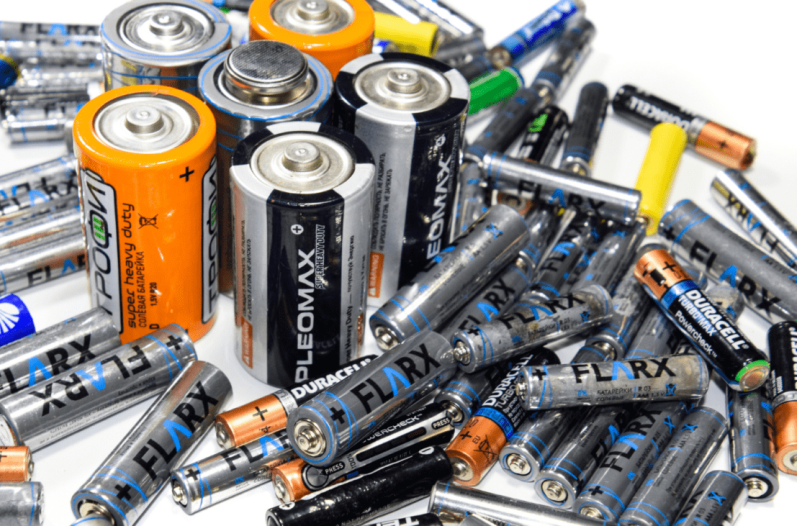
The days of throwing old batteries in our household trash should be long over, given the need to recycle their materials. Safe battery management and disposal have become priorities, due to the increasing number of lithium-ion battery fires. Not all batteries are same, although one thing is for sure. Read on and find out more …
Lithium-Ion Batteries Need Special Safety Management
The chemistry inside lithium-ion batteries is volatile inside their cases. They should be safe with normal use. But they they may become volatile if damaged, and cause fires. Please keep lithium-ion batteries away from your trash. Hand them in at an approved recycling point.
Batteries have worked themselves into almost every aspect of our lives. We already know we must be careful with the batteries in our phones and laptops, because they are expensive. But this does not mean that other batteries can go in the garbage. All of them contain toxic materials.
Disposal Guidelines For Other Types of Batteries
MANAGING SINGLE USE BATTERIES
- Alkaline batteries no longer contain mercury, making them safer. They are often the consumers’ choice for single use AA, AAA, C and D cells. Used alkaline batteries contain useful minerals, so hand them in for recycling.
- Penny button household batteries may have several chemistries, including alkaline and lithium-ion. Young children may mistake them as sweets, and accidentally swallow them. These batteries require safe battery management and disposal throughout their life cycle.
SAFE DISPOSAL OF SECONDARY BATTERIES
Many of the secondary batteries we encounter nowadays, use lithium chemistry that requires life cycle care, and careful recycling. Rechargeable nickel cadmium, and nickel zinc batteries, both contain toxic chemicals that may harm the environment.
It can be far easier to hand in all used batteries for recycling, at an official collection point. That way, we will know they won’t pollute the environment, and their materials will find new lives too.
More Information
Reasons for Recycling Lithium-Ion Batteries



