The first batteries were primary ones, meaning consumers could only use them once. In other words, they could not use them again by recharging them. Secondary ternary and quaternary batteries turn this paradigm on its head, as we explain in this blog post.
Secondary Batteries Use Chemicals More Than Once
We can recharge secondary batteries and use them many times. When a secondary battery runs down, we can supply ‘fresh’ electricity from an external source. This reverses the chemical reactions and reinstates the stored energy we used up.
Familiar examples include lithium-ion batteries in phones and laptops, and lead-acid starter batteries in cars. Secondary batteries come in handy for many mobility devices too. In fact. we could say they have become the backbone of modern energy storage.
Ternary – The Third Phase in Battery Evolution
Ternary batteries are the middle phase of the secondary ternary and quaternary batteries we discus in this article. They are different in that we can use them for long-term or controlled storage, so we can manage the energy carefully before we use it.
In practice then, ternary refers to a third phase in battery evolution, where we have large battery banks with specialist equipment. These accessories include monitoring electronics, cooling systems, and management software. This combination delivers much of our renewable energy nowadays.
Quaternary Takes a Bold Step Forward
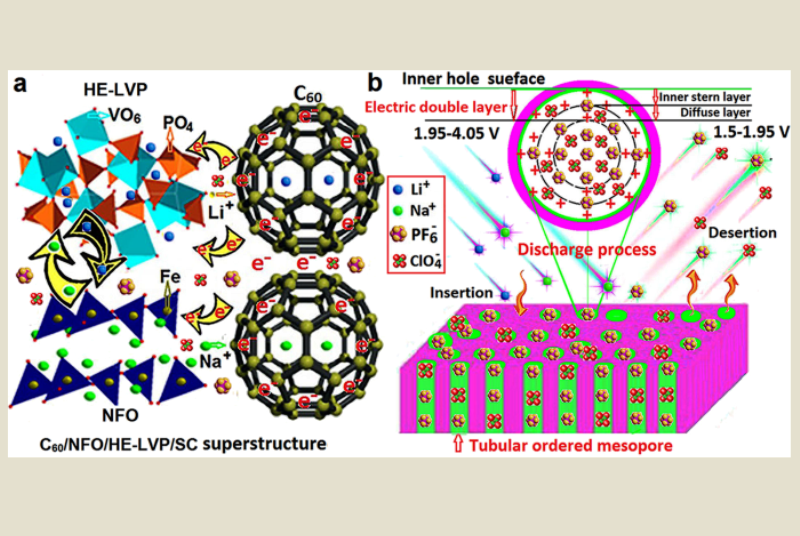
Quaternary battery systems go a step further by combining several technologies. Such a combination may include different battery chemistries, supercapacitors, and advanced management systems working together. The goal is to balance power, lifespan, safety, and cost. So where do we go from there now?
Looking ahead, primary batteries will remain useful for small devices, but most growth in energy storage will come from secondary systems. Ternary and quaternary batteries could play a major role in stabilizing renewable power grids, and supporting large-scale energy storage in future.
More Information
The Primary and Secondary Battery Difference