Silicates, comprising silicon and oxygen are rock-forming minerals that are abundant on earth. These chemical compounds play a role in the manufacture of glass, cement, insulation, and detergents. Scientists are searching high and low for more efficient battery materials. Who would have thought, a year ago, that silicate reinforced electrolyte could be a strong candidate?
Limitations of Iron Anodes in Alkaline Batteries
Silicon iron batteries use nickel oxide-hydroxide positive plates, and iron negative plates in conjunction with an electrolyte of potassium hydroxide. However, unlike lead acid batteries, their active materials are in nickel-plated pockets.
This combination delivers a very robust battery that can last twenty years, and tolerates over-charging, over-discharging, and short circuits. But iron nickel batteries have remained in the background because of poor charge retention, low specific energy, and high manufacturing cost.

Researchers at the Worcester Polytechnic Institute at Massachusetts, already knew the limitations of iron anodes in alkaline batteries. However, their specific focus this time was the formation of hydrogen gas during charging. “You don’t want hydrogen gas formation when charging a battery,” explains the James H Manning Professor. “It impairs the energy efficiency of the battery system considerably.
“Without addressing these technical challenges, iron alkaline batteries are less attractive for modern energy storage systems to be coupled with electric grids.” But nickel iron batteries are still popular for some applications.
How Silicate Reinforced Electrolyte Dealt With The Gas
The team from Worcester Polytechnic Institute discovered that silicate-enriched hybrid electrolyte interacts strongly with iron metal oxide during charging. This suppresses the formation of hydrogen, paving the way for sustainable energy storage in iron air and iron nickel batteries.
The silicate reinforced electrolyte also improved storage capacity, and coulombic efficiency too, during 400 cycles. Therefore, this discovery could open the door to a green battery system made with earth-abundant materials.
More Information
Thomas Edison’s Nickel-Iron Batteries
Is Iron The Key To Better Batteries?
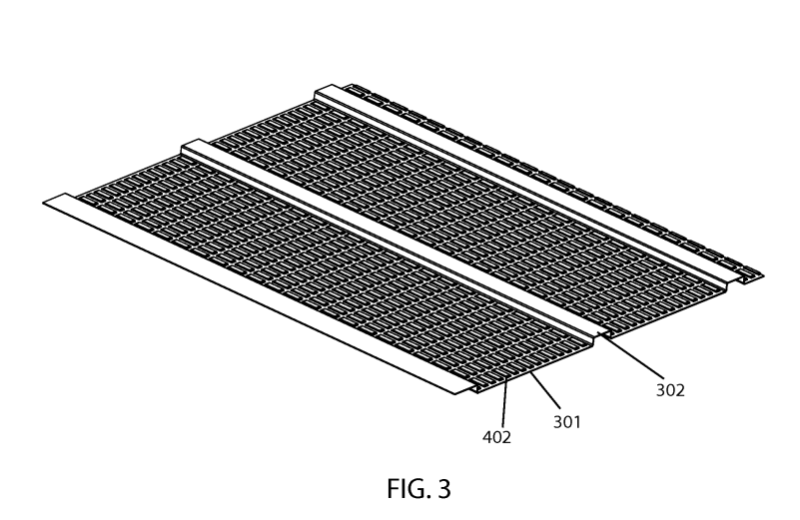
Preview Image: Individual Metal Pocket Plate