There’s been the usual uptick in lead-acid starter battery sales in Canada this winter. The reasons for this are common knowledge. Their chemical reactions become sluggish as they chill down. Now there are reports of starter batteries retiring early in heat in South Africa, according to Battery Clinic.
Heat Is The Enemy of Starter Batteries
Heat, not cold, is the enemy of lead acid starter batteries in temperate climates. It can get real hot down there in summer. Is global warming causing starter batteries to retire earlier during hotter summers, or has this always been the case?
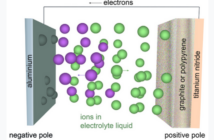
We’ll set that query aside for now, and focus on what’s happening inside those starter batteries. Unusually high temperatures speed up chemical reactions inside them, and that includes lithium-ion and lead-acid batteries.
This makes sense, because the opposite happens during cold temperatures in Canada. Internal battery components weaken if we allow this to happen regularly. This makes the batteries fail sooner. Let’s get back to those starter batteries retiring early in heat in South Africa.
Countering Early Battery Retirement From Heat
Most starter batteries in South Africa are under the hood as they call the bonnet. This means a high heat build-up in vehicles parked in the sun, causing fluid electrolyte evaporation even in gel batteries.
If the fluid level drops too far – as can happen in liquid electrolyte batteries – it can cause permanent damage and significantly shorten battery lifespan. Extreme heat also encourages corrosion on battery terminals. Here’s how to reduce the possibility of starter batteries retiring early in heat:
- Park in areas offering shade whenever possible.
- Store your vehicle in a garage if you have one.
- Top up your battery water regularly if this applies.
- Keep battery terminals clean and free from corrosion.
Lead-acid starter batteries benefit from annual inspection and testing by qualified people. All batteries fail eventually. Regular checks by owners and / or service personnel may predict actual failure before it happens.
More Information
Heat Severe Weather and Utility Grids