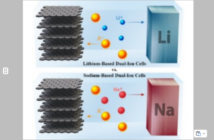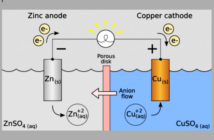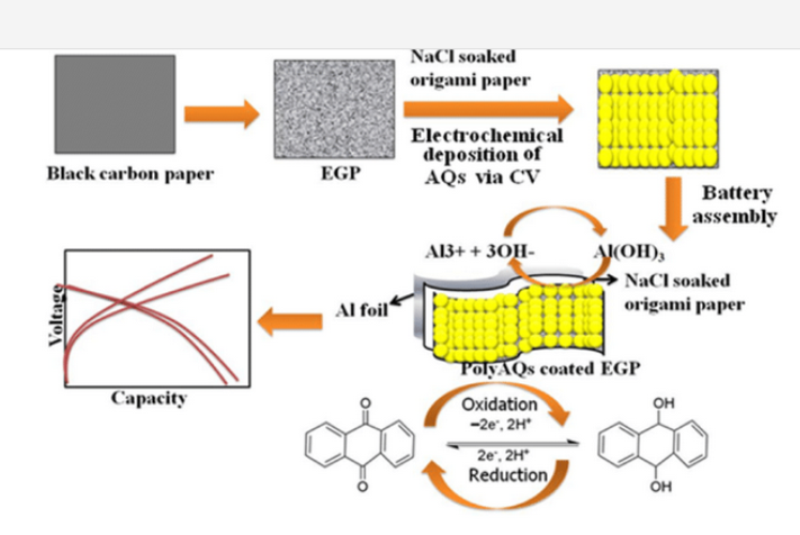
The structure and principles of paper batteries are quite straightforward, although we seldom encounter them in practice. They are thin, flexible energy storage devices that combine cellulose paper separators with electrically-conductive materials. This arrangement delivers a thin, flexible battery for storing chemical energy, or a supercapacitor for releasing it quickly.
Parts and Working Principles of Paper Batteries
A typical paper battery has the following parts inside a case:
- Paper separator that prevents the electrodes from touching, and provides support for the electrodes and electrolyte.
- Pair of carbon nanotube, graphite ink or other conductive material electrodes, printed or coated onto the separator.
- Electrolyte, for example a salt solution, ionic liquid, or bio-compatible gel soaked into the paper separator.
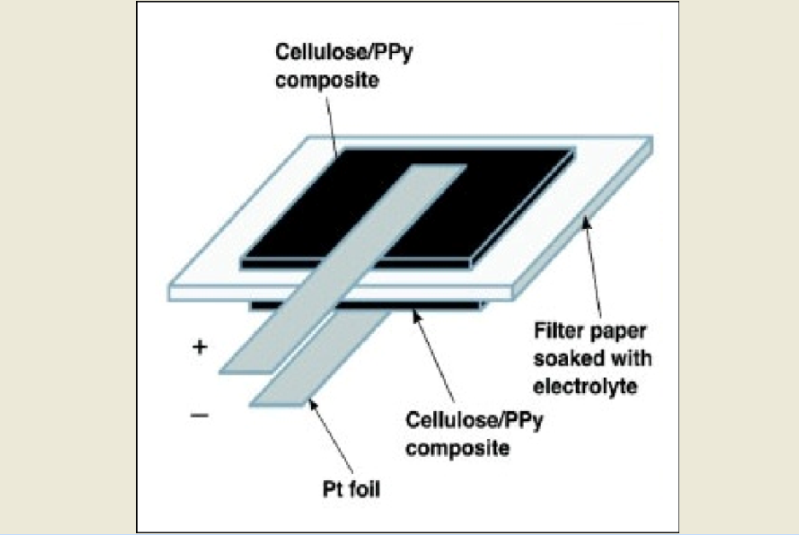
The electrodes on either side of the separator / electrolyte generate a potential electrical difference. When we connect the battery to an external circuit, ions move through the separator /electrolyte between the electrodes.
Electrons move through the external circuit / device for as long as the ions continue flowing internally. This generates an electrical current that powers the device, provided, that is, it is electrically compatible.
Pros and Cons of Paper Battery Storage
Advantages of Paper Technology
Paper batteries are lightweight and flexible. They can bend and fold. We can even trim them into different shapes. The electrolyte / separator is non-toxic and bio-degradable.
If we understood the structure and principles of paper batteries, we could even print a battery, or super capacitor, provided we had the right materials.
Disadvantages of Paper Technology
Paper batteries have low power output and density. They are also brittle and can tear and crack easily. Their electrode materials can be expensive and toxic. Many paper batteries cannot recharge. This limits their usefulness further.
Despite these limiting drawbacks, we may occasionally come across paper batteries in medical and environmental sensors, smart packaging, and disposable electronics too.
More Information
Paper Battery Prototype Inspired By Plants