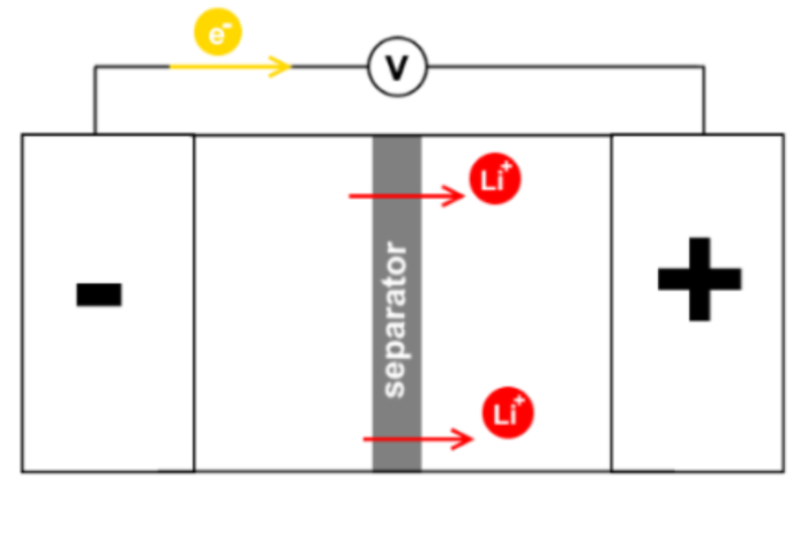
Did you ever wonder what’s inside those lithium-ion batteries? It’s quite complicated but we’ll explain it step by step. Lithium ions are small molecules of lithium metal carrying electrical charges. When we discharge and recharge lithium-ion batteries, these small molecules move between the electrodes.
Storing Energy Inside Lithium-Ion Batteries
Lithium-ion batteries consist of pairs of electrodes, plus an electrolyte. Either electrode is capable of storing lithium-ions. Where the ions are, and how many, depends on whether the battery is charging or discharging.
Not All Lithium-Ion Batteries Are the Same
Every lithium-ion battery contains two electrodes and an electrolyte. But the details inside those lithium-ion batteries vary slightly depending on their particular type:
- The amount of electrical energy they store varies.
- So does the time it takes for them to recharge.
- Their voltage output ranges from 3.0 to 4.5 volts.
- The temperatures they are happy with vary too.
- Some lithium-ion batteries keep going longer.
- Not all lithium-ion batteries are equally safe.
Choose the lithium-ion battery product that delivers the voltage, safety and battery life you require.
What’s Next Now We Know What’s Inside?
What’s next is not all lithium-ion batteries are as good. Some are cheap imitations that may catch fire and even explode. The best workaround is pay a decent price, and purchase from a manufacturer you trust. This is a whole lot cheaper than losing your laptop or smartphone in a battery fire!
Now we know what’s inside those lithium-ion batteries, and where to purchase them, we need to use them correctly so they don’t fail early:
- Unplug the charger as soon as a lithium-ion battery is full.
- Don’t fully discharge a lithium-ion battery and leave it that way.
- Keep a lithium-ion battery away from heat. Treat it with care.
- Never leave a lithium-ion battery where something could damage it.
- Never connect a lithium-ion battery the wrong way round.
Stick to these basics and you should be okay with your lithium-ion batteries. Call your emergency number if they suddenly start overheating.
More Information
Pulse Charging Lithium-Ion Batteries