

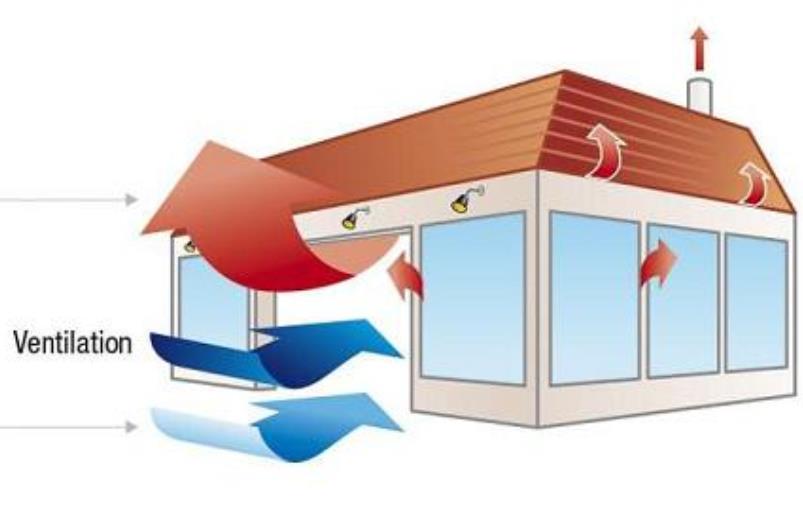
We’ve been following a thought-provoking post by Atlantic staff writer Sarah Zhang. Today she asks the question why do we tolerate contaminated air. Why don’t we insist on safe ventilation in public buildings? We should be able to trap large quantities of airborne viruses, including those of common colds, influenza and COVID-19 too.
Tiny Virus Particles Linger Longer in Enclosed Spaces
It was many months before health authorities strongly recommended wearing face masks. They previously denied tiny virus particles could linger long enough to travel through air to other people. ‘The virus falls rapidly to the ground,’ they said. ‘Wash your hands after touching frequently-contacted surfaces, and you should be okay. But now we know that’s not the case.
Air conditioning systems in large public buildings churn the air gently. They may even help spread tiny aerosol particles further, enabling one person to infect another two or more. If, as it seems we will live with COVID-19 forever, surely we have a right to demand better service from building designers.
Surely We Have a Right Not to Tolerate Contaminated Air
We don’t accept other health hazards in buildings. Our city authorities are bristling with rules to combat that. We would be horrified to hear our potable water was unsafe to drink. So why do we tolerate contaminated air then? Is this because this is the first time our generation lived in the midst of an airborne pandemic?
But we have also been living in common cold and influenza endemics for a long time. Those viruses also spread through air. We’ve accepted that reality, perhaps for too long. If we add those recurring outlays to the costs of the diseases perhaps Sarah Zhang is correct. Perhaps we should reclaim our right to breathe fresh air, everywhere we go.
Breaking News
Plan to Control Every Respiratory Virus
There Could Be No Turning Point for COVID
Preview Image: Simple Building Air Circulation


