Jordan relies on imported oil and gas for 96% of its energy requirements. Multiple attacks during 2011 to 2014 forced Egypt to close the Arab Gas Pipeline. This put 88% of Jordan’s electricity generation at risk. It also forced it to use diesel and marine bunker oil as energy source while it found an alternative solution. On December 6, 2018 the Jordan Times announced Jordan says yes to 20% green energy.
Jordan Says Yes to Renewable Energy

The Master Strategy of the Energy Sector wants renewable energy to contribute to 10% of Jordan’s energy mix by 2020. This includes increasing home consumption to 30%, and exploiting abundant sunshine and available wind.
However, it is so close to achieving the 2020 target the energy minister announced “Jordan says yes let’s double it”. He went on to say “Jordan has achieved a leading position in renewables with the large projects it has implemented.” This is especially true in the sector over the past five years, he explained to the Amman-based Arab Union of Electricity.
But These Are Also Cost-Saving Initiatives Too
Jordan is not energy-rich when we compare it to its Arab neighbors. It has only one relatively small gas field at Risha near the border with Iraq. It does however have oil shale deposits below 60% of its territory, and plans are in progress to exploit these.
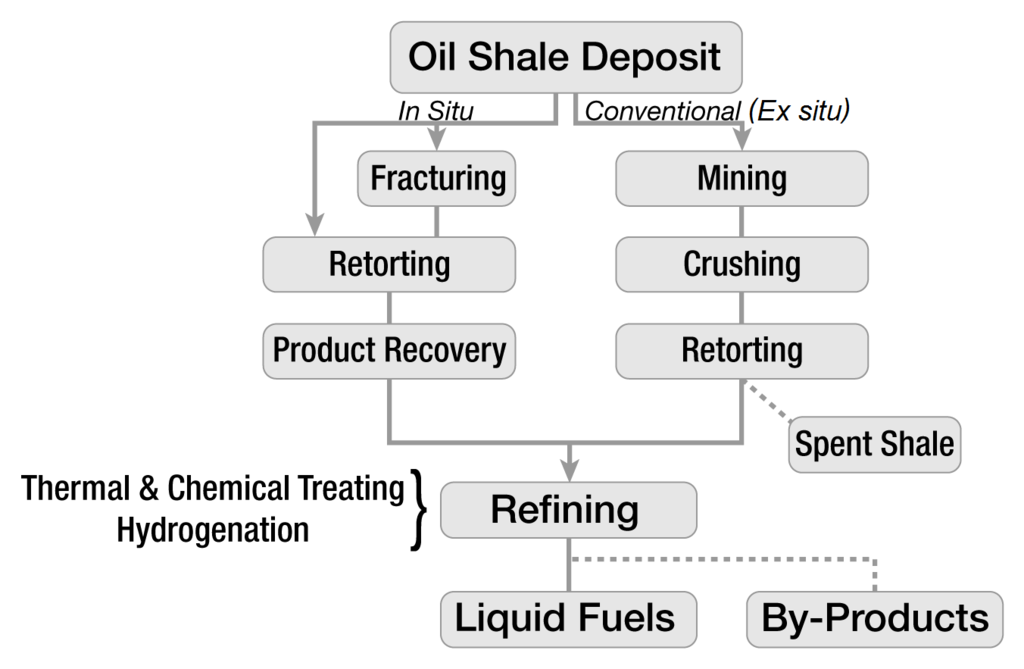
However, these resources take time to develop, and Jordan’s energy bill stands at 18% of GDP. This was behind the decision to push the revised 20% target hard.
The minister further announced, “Jordan is working on implementing the ‘first-of-its-kind’ project in the region to store electric power. This will be come from renewable sources.”
News that Jordan says yes to renewable energy warms our hearts, cooled by negative feedback from elsewhere.
Related
Gas Hydrates – New Energy or Climate Threat
Batteries and Solar Beat Gas in Arizona
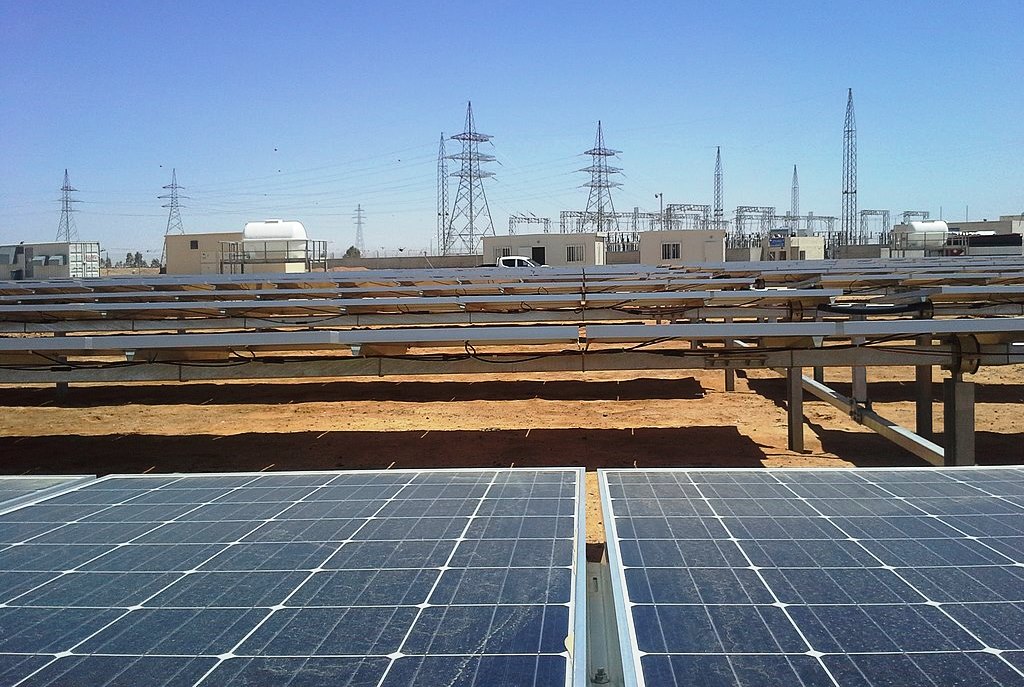
Preview Image: Shams Ma’an Solar PV Power Plant in Jordan