When you think of Afghanistan you’re likely not thinking about renewables, which is why a $1.2 billion grant by The Asian Development Bank to fund energy projects in the country is making headlines. Afghanistan is a country that is rich in resources, but also one that falls victim to socio-political volatility.
The country relies on energy imports, and it could use the funding to expand its power supply and boost economic growth entirely. Its national grid is unsynchronized with the countries that it imports from, which adds to costs and makes the supplies unreliable.
Afghanistan’s need for energy rose by almost double its economic growth rate between 2005-2012. Still, around 80 per cent of its total supply is imported. Only one in three Afghans has access to electricity. Power cuts are a regular part of life, particularly during peak hours with more Afghans opting for electric radiators and electric stoves.
In order to meet its need, the country has to rely on expensive, noisy and emissions-based generators. Access has generally improved since a power line from Uzbekistan started to transmit electricity to Kabul in 2009. Afghanistan is also sourcing its power from Iran, Turkmenistan and Tajikistan.
Afghanistan’s power stations, which are mainly hydro plants, are potentially able to produce around 500 MW of power, but they produce less than half of that because of water shortages and maintenance problems. Projects that were planned to strengthen power links have either been pipeline dreams, or are simply taking too long. There’s also a matter of security. Many projects that have been allotted millions of dollars in efforts to help restore power have been victim to potential threats.
Climate Issues:
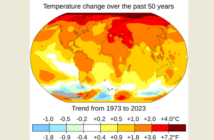
Afghanistan has had the worst drought in a decade, leading to the displacement of an estimated 260,000 people. They have been suffering from the consequences of climate change, coupled with 40 years of war that almost entirely tanked their water infrastructure.
Droughts and floods have become a daily part of local life and Afghanistan is not a water thirsty country. In fact, 80 per cent of its resources come from the surface water that flows from snowfields and glaciers in the Hindu Himalaya and Kush mountains.
During the spring and summer, the mountains snow melts and this is distributed into Afghanistan’s five river basins. From there, the water enters canals and makes its way across the country. Irrigation is solely dependent upon these resources, as the Afghan proverb goes “May Kabul be without gold rather than snow.”
Since the Soviet invasion, the country’s infrastructure has essentially turned into ruins. Bombings and years of war destroyed much of the country’s canals. Once the Taliban came into power, matters got worse. With the support of international communities, water management has been placed on high priority.
Dams are crucial to store the water that is required for irrigation and prevent massive flooding, which has continued to increase because of climate change. Agriculture contributes to 20 to 40 per cent of the country’s GDP, and depending on the year, employs around 60 per cent of the workforce, meaning that a lack of investment will have dire consequences.
Related: