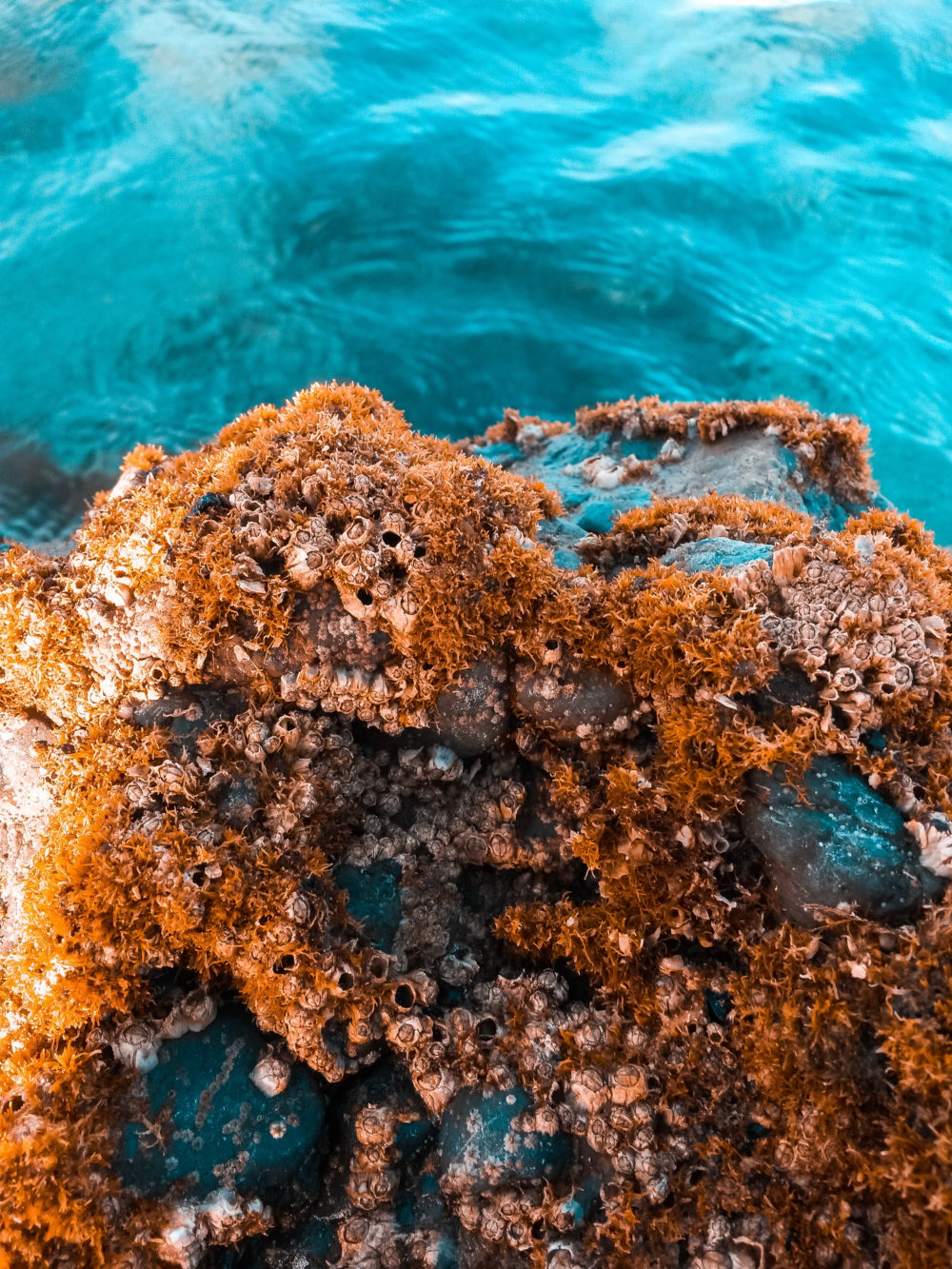
Bleaching events have caused severe coral bleaching and mortality of the reefs around the world. Various stressors essentially render coral reefs unable to function and maintain ecosystem functions.
Pollution causes poor water quality and can harm the corals ability to recover from the stress brought upon by temperature increases. It also slows down the recruitment of new corals after there has been widespread coral disease and mortality.
Did You Know?
Coral communities take at least 15 to 25 years to recover from mass mortality events like cyclones and coral bleaching. If there are so many of these events, they go to a point of no return because there is less recovery time between events.
The World Heritage Properties:
The frequency of stress events that reached or went past the 4 degree Celsius and eight degree Celsius thresholds was calculated for each reef to see if the bleaching frequency exceeded the best case rates of recovery.
The Analysis Results:
The analysis showed that the World Heritage properties containing coral reefs have been increasingly exposed to heat stress over the last several years. Around half (13) of the 29 World Heritage Listed reefs were exposed to immense heat stress, resulting in coral bleaching – and on average, more than twice a decade during 1985 to 2013.
The only three reef properties that didn’t have heat stress events during this period were located in:
- Ujung Kulon National Park (Indonesia)
- iSimangaliso Wetland Park (South Africa)
- Socotra Archipelago (Yemen)
For eight of the World Heritage reefs, heat stress that leads to severe bleaching was experienced more than one time per decade.
During the third global coral bleaching event between mid 2014 to 2017, there was a higher impact. Seventy two per cent of the World Heritage reef properties were exposed to severe and repeated heat stress over the past three years.
These observations show that there have been more bleaching events in recent years. Coral mortality has been the worst at the Great Barrier Reef in Australia, Papahanaumokuakea USA, and Aldabra Atoll in Seychelles.
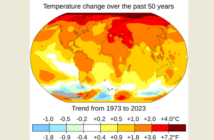
Damage is already extensive and has surpassed around 1 degree Celsius of the global average warming since pre-industrial times. Recent analysis shows that most of the world’s coral reefs will be degraded at higher levels of warming.
So What Does This All Mean?
Climate change has been impacting coral reefs for more than three decades. Bleaching events are increasing and are having major impacts on coral reefs to survive. Ocean acidification and local stressors brought upon by human activity will continue to cause widespread devastation to coral reef ecosystems. We need to do something!