

Catherine Loveday is professor of cognitive neuroscience at University of Westminster, London. She has been researching how our memories let us down during sheltering. Her findings on lock down causing passing memory loss are wending their way through the academic publishing process. However, we do have a preview thanks to Claudia Hammond in BBC Future news magazine.
This is True, This is Happening to People Like Us
Catherine Loveday used the Everyday Memory Questionnaire to gauge her subject’s opinions regarding their memory. That questionnaire is an instrument to subjectively measure memory failure in everyday life (see link below).
Catherine’s specific goal was to establish whether her subjects believed their memory had improved, stayed the same, or deteriorated during the pandemic. A few of her subjects went counter-flow, and believed their memories had improved during lock down. However, 80% said that at least one aspect of their memory had deteriorated.
This is far more than we might expect outside of a lockdown. But there was a degree of self-selected bias in the findings. That’s because Catherine Loveday called for participants on social media, and explained what the research was about in advance.
More About Passing Memory Loss Caused by Lock Down
Some 55% of respondents reported forgetting when something happened. This could mean the lockdown affected their perception of time, and their ability to ‘date stamp’ events.
Our focus has narrowed during sheltering, Claudia Hammond explains. Days, weeks and months have merged. Lock down is causing passing memory loss and making it harder to pinpoint exactly when a specific event occurred. Another common difficulty is forgetting being told something, or forgetting to do things we said we would.
However, there is some bright light on the horizon, Catherine Loveday believes. If the lock down is causing memory loss, then surely this should pass when life gets busier again. ‘Our memory systems are not broken it seems. But they are just not firing on all cylinders all the time,’ she says.
Related
Were Introverts Losers in 2020 Lock Downs
Leaving Lock Down, the Anxieties Return
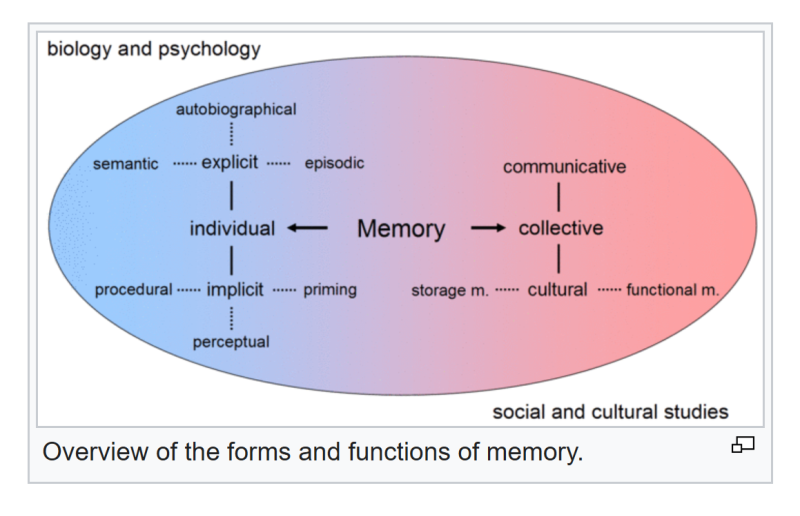
Preview Image: Memory Forms and Functions


