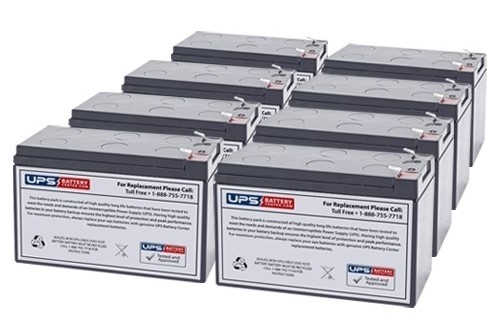
We’ll keep to the basics in this article, because we do not intend this to be a science lesson. We simply want to explain lead acid battery fundamentals, and in broad terms that are easy to understand. So when you purchase one of our products, you’ll understand the principles, and use it correctly so it lasts longer too.
The Fundamentals of Lead Acid Battery Operation
Lead acid battery fundamentals go way back to 1859, when there were no circuit boards, knowledge of sub-atomic particles, and so on. There have been considerable improvements since then, of which our products are fine examples. However, they still follow the same basic principles as lead acid batteries have always done.
- Lead acid batteries have lead components, and sulfuric acid inside their cases.
- They produce electricity on demand by bonding the sulfate in the acid to the lead.
- This process reduces the free sulfate in the acid until the battery runs flat.
- We can reinstate the battery, by returning the sulfate to the acid by recharging it.
However, nothing lasts forever in our physical world of objects. A lead acid battery gradually exhausts its stock of sulfate, and the lead slowly degrades too. We can’t change the principles of physics. Our lead batteries gradually become weaker, even though we employ the best deep-cycle gel technology. No battery lasts forever.
Three Modern Versions of Lead Acid Batteries
The following three types of lead acid batteries represent the ongoing effort to keep improving a simple, robust technology:
- Valve regulated lead batteries use one-way vents to reduce pressure from the electrolyte, reducing moisture loss.
- Absorbent glass mat, or AGM lead batteries use glass fiber mats soaked in electrolyte instead of separators.
- Gelled electrolytes convert the liquid electrolyte to a semi-stiff paste, thereby almost eliminating maintenance.
We don’t believe this spells the end of the road for this simple, cost-effective technology, though. We report on further developments here, as the basic model continues to evolve.
More Information
Advanced Lead Acid Batteries On the March