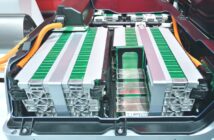
Electric vehicle battery recycling continues to be under the spotlight. We can no longer afford to bury spent lithium batteries as landfill. Or allow old ones to stack up in warehouses until we decide what to do, for that matter. The frustration is their design is complex, some of their materials are toxic, and their electrolyte can catch fire.
Three Leading Electric Vehicle Battery Recycling Methods
We review three recycling technologies, courtesy Yahoo Finance, to stay abreast of this topic.
Hydro-Metallurgical Recycling of Spent EV Batteries
Mining operations traditionally use hydro-metallurgy to extract metals from virgin ore. They do so by recovering and dissolving the metals as salts in successive water-based steps, according to TES website. Those stages include leaching, purification, and recovery of targeted metal by selective precipitation, or electro deposition.
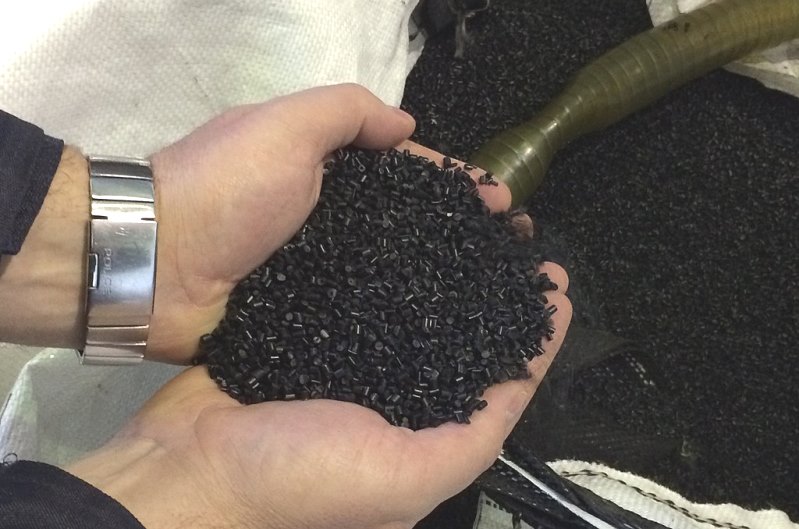
Battery recyclers apply these principles after they discharge, and dismantle spent batteries into black mass. The process delivers materials that are commercially viable for reuse in the battery supply chain.
Pyro-Metallurgical Recycling of Electric Vehicle Batteries
Pyro-Metallurgy employs a different process that involves heat extraction, as opposed to decomposition and deposition using water. The key steps are:
- Air-heating compound materials and transforming sulfide ores into oxides.
- Smelting at very high temperatures in furnaces to reduce constituent metals.
- Sorting the metals according to chemical and metallurgical properties.
- Refining these metals further, using furnaces and electrolytic processes.
While water is freely available in North America, generating vast heat for this purpose has financial and environmental costs we should not overlook.
Recovering Cathodes Using Direct Recycling
Both the above two methods of electric vehicle battery recycling are complex, and expensive. They also damage the environment, and struggle to compete with mining new materials. Direct recycling asks, ‘is it really necessary to go to all this trouble?’
Take the cathode for example, Yahoo Finance asks, ‘Why discompose it’s materials at great expense, only to put them back together again? Could we not extract cathodes as complete assemblies, and reuse them’? Direct recycling is still in its infancy, but it has several advantages, including a far smaller carbon footprint.
More Information
Trends in Greener Batteries Catching Up