We have a deep interest in pollution-free electricity generation, for it promises a better future for our descendants. Nuclear fusion could play a vital role in this transition. In fact, it could provide the world with a near-limitless source of clean power. Nuclear fusion came closer to achieving this in California several times in 2023. Does this signal real hope of a better future for all of us, after all?
How Does Nuclear Fusion Work in Principle?
All forms of electricity generation create power from a latent form of energy. This basis could be magnetism, gravity, motion, wind, tide, sunlight, uranium, oil, coal, natural gas, or other sources.
Nuclear fusion occurs in a hot, charged gas, comprising positive ions and free-moving electrons according to International Atomic Energy Agency. Two light atomic nuclei combine to form a single heavier one, while releasing massive amounts of energy in this unique environment.
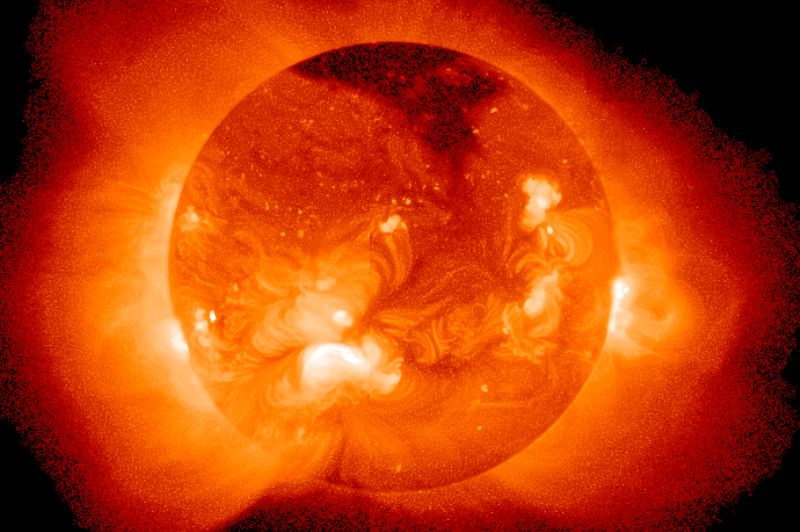
Our Sun, and all the other stars obtain their energy from a similar reaction, as their nuclei collide in extreme heat. A nuclear fusion reaction replicates this process in a contained environment on Earth. Scientists achieved this reaction several times down the decades, although each time it consumed more energy than it produced.
How Did Nuclear Fusion Come Close This Time?
Our tale begins in December 2022, when viable nuclear fusion came closer for the first time at National Ignition Facility in California. We say ‘viable’ because this was the first occasion in which the reaction released more energy than it consumed.
But the drive to produce productive nuclear fusion did not stop there. Scientists at Lawrence Livermore National Laboratory continued with their work inspired by what they achieved. They replicated the reaction not once, but three times in 2023. This ticks off another step towards the goal of universal clean energy, and enough for everyone too.
More Information
A Major Breakthrough in Nuclear Fusion
Could Containerized Fusion Be a Battery?