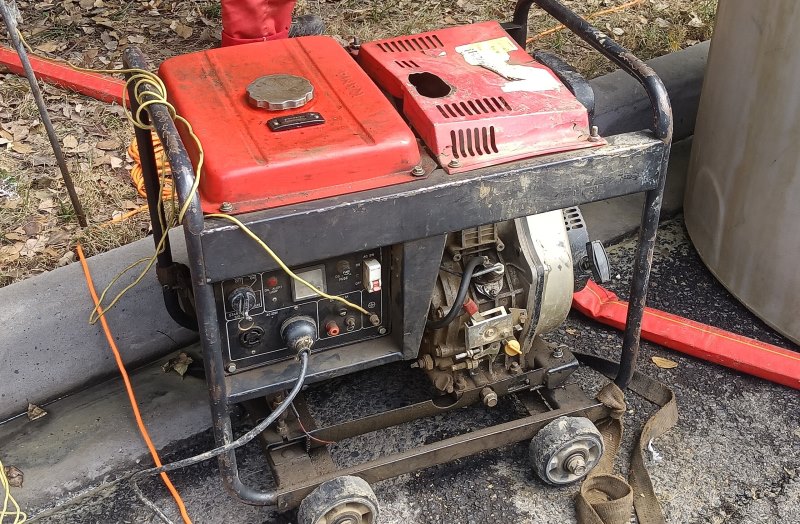
You need to maintain your home generator and battery regularly, even if you only use it once every couple of months. That’s because occasional use means you seldom circulate the oil, and the battery discharges in the background. We provide a checklist of things to remember while doing basic maintenance, and recommend you make a diary note when the next service is due.
Maintain Your Home Generator in Four Steps
- The viscosity in your generator oil ensures it clings to the moving parts, and lubricates them. This adhesive strength weakens with time. Change the oil after 100 hours of operation.
- Your generator cools its rotor and stator by drawing air past a filter. However this filter can block with airborne debris, causing the electrical windings to overheat.
- If you are not using the generator regularly, then run it for a half hour every month. This charges the battery while re-oiling the moving parts, and confirms everything is working properly.
- Drain the gasoline from the tank and the system before you hibernate your generator. The fuel is a product of oil. It can block fuel lines and filters as it ages.
Maintain your home generator by following those four simple steps, and it should be ready for you next time you need it.
Keep Your Battery Fully Charged and in Good Condition
Batteries produce their electricity from chemical reactions inside them, and this progressively drains their charge. This process continues when they are idle, albeit at a slower rate. An idle generator battery could be unable to turn the starter after a few months.
Running a generator for a few minutes every month is not enough to fully charge the battery. We recommend disconnecting a lead-acid battery, and leaving it trickle charging when the generator is not running. This should maintain your battery in tip-top condition, so it lasts longer when you need it.
However, we can’t advise doing something similar with lithium-ion batteries, as this will cause lithium plating. These batteries self-discharge at a far lower rate. Use a regular charger if you need to, and let the battery management system take care of the rest.
More Information
How Do Batteries Self-Discharge Gradually?