Lithium-ion batteries have become so important, that they are almost essential for electric vehicles. Many consumers delay recharging these batteries for as long as they can, to stave off the inevitable. We have fresh evidence to share that says don’t deep discharge lithium-ion batteries that way. Whether this will change patterns of user behaviour is another matter!
Why Avoid Deep-Discharging Lithium-Ion Batteries?
Most lithium-ion batteries for electric vehicles use nickel-manganese-cobalt chemistry for their cathodes. An article in EurekAlert reminds us that cobalt is so expensive, that battery makers have been obliged to increase the nickel content. Unfortunately, this saving shortens the cycle life of these batteries.
Until now, experts have attributed the relatively rapid degradation of the nickel-manganese-cobalt cathode, to over-charging. However, this does not explain why degradation continues at apparently stable voltages.
A team of researchers from South Korea (see link to their report below) investigated lithium-ion battery discharging in detail. Their findings convinced them to repeat the advice, don’t deep discharge lithium-ion batteries. But what did they discover to make them think that way?
What Did the Researchers Find to Convince Them?
The researchers discovered that something happens to the nickel-manganese-cobalt cathode, if there are long delays between recharging cycles:
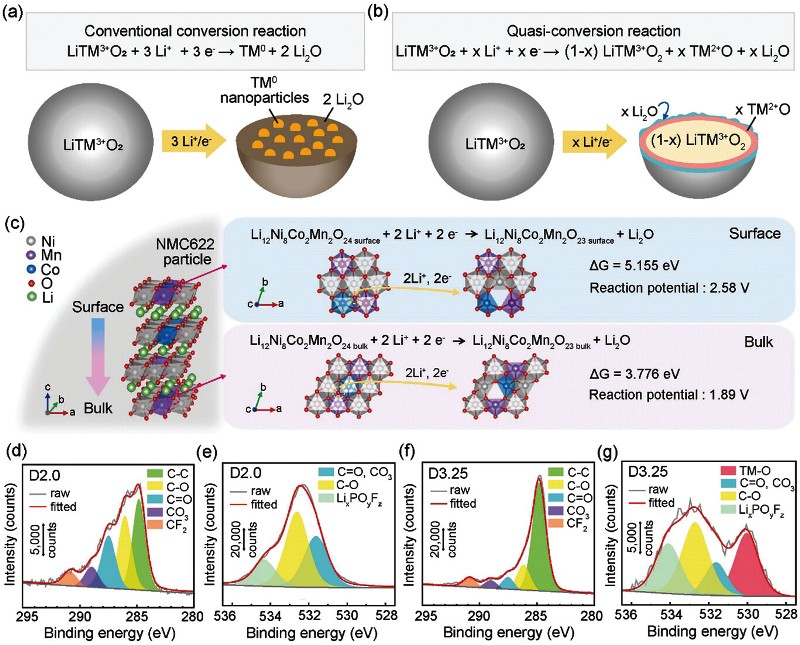
- A ‘quasi-conversion reaction’, as they call it, occurs on the cathode surface.
- During this reaction, oxygen escapes from the affected cathode surface.
- This oxygen combines with lithium to form lithium oxide during discharge.
- This lithium-oxide reacts with the battery electrolyte generating gas.
- Generating this gas accelerates degradation of the lithium-ion battery.
More Conclusions The Researchers Came To
The quasi conversion reaction was more pronounced in high-nickel-content cathodes. The degradation (including swelling) became more severe as the battery ran down.
The researchers were able to prevent this chain reaction, and extend the battery cycle life, by avoiding full-discharge events. The impact of deep discharging these batteries confirms what we have already suspected.
More Information
High-Nickel Lithium Battery Runaway Tamed
Pathway to Safer Nickel Batteries in Texas