Lead-acid batteries may decline to accept a recharge, if we leave them too long in a high state of discharge. This is due to the the crystallization of lead sulfate on the plates, that is often irreversible. As a general rule we should keep lead-acid batteries above 50% state of charge, to encourage longer lives. We have learned that deep discharging lithium ion batteries can shorten their lives too.
Disadvantages of Deep Discharging Lithium Ion
Popular convention holds that lithium-ion chemistry’s ‘sweet spot’ is between 20% and 80% state of charge. Anything outside that range strains the battery most experts hold, and shortens its operating lifespan.
However, a post we stumbled over suggests that the ideal lithium-ion state of charge is actually between 40% and 80%. We decided to share this information in the public interest, although we have not independently verified it.
The 40% to 80% ‘rule’ states that keeping lithium-ion batteries within that range promotes ‘optimal performance and lifespan’. When we Googled ‘lithium-ion 40 80 charge rule’, we found a number of confirming articles encouraging the practice when circumstances allow it.
We Googled deeper to discover how to avoid deep discharging lithium ion batteries, whenever this is practical. We emphasize ‘practical’, because the guideline is far less mandatory than the proven 20% and 80% rule. The former is more a reminder to keep lithium-ion batteries in their ‘comfort zone’ when we can.
Keeping Lithium-Ion Batteries in Their ‘Green Zone’
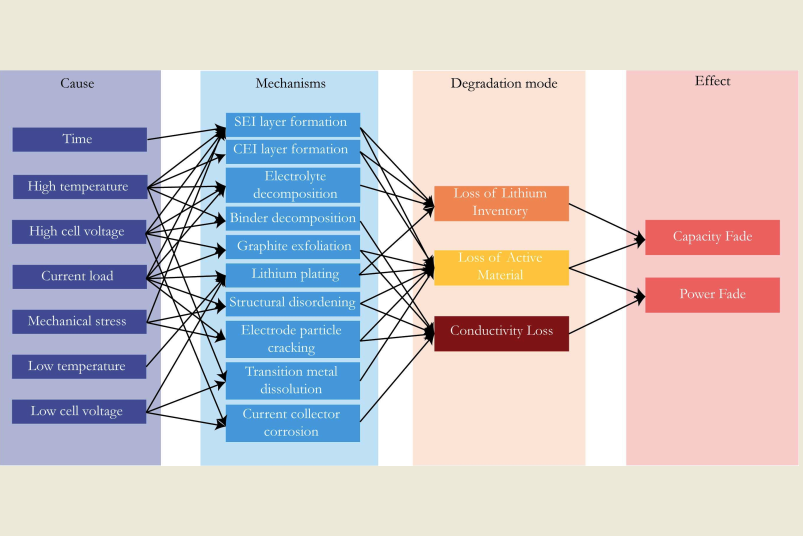
The 40 to 80 guideline aims to extend the life of lithium-ion batteries, by avoiding extreme charge levels either way. It envisages keeping the state of charge between 40% and 80% for daily use. This is because keeping a lithium-ion battery at a very high, or a very low charge, for extended periods can cause degradation.
Keeping a battery between a 40% and 80% state of charge minimizes this stress by holding it in its ‘comfort zone, and thereby extending its lifespan.
More Information
Degradation Drivers in Lithium-Ion Batteries