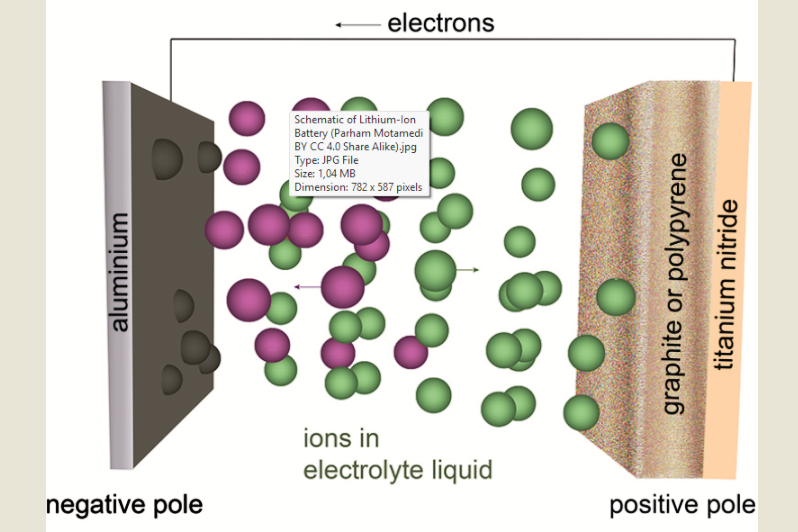
Aluminum-ion batteries are resurfacing after a long slumber. They look impressive on paper too. Aluminum can exchange three electrons per ion, compared to lithium’s single one. The lightweight metal we also use for window frames, has twice the energy density of lithium, according to Wikipedia. So why has it been slumbering?
What’s the Catch With Aluminum-Ion Batteries?
Aluminum-ion batteries may have twice the energy density of lithium-ion, but they only generate 2.65 volts. This is why lithium-ion’s 4.0 volts have twice the power density, and hold more charge.
On the plus side though, aluminum-ion’s ionic liquid electrolyte is non-flammable, and non-volatile as well. This is why aluminum-ion batteries are resurfacing, in situations where users are willing to exchange lower voltage for greater safety.
If we were to go back ten years, we would find aluminum chemistry firmly on the top shelf. This was because it had a relatively short operating life, with heat, rate-of-charge, and cycling all dramatically affecting energy density.
The larger size of the aluminum ions was a major contribution to this degradation. The molecules were putting additional strain on graphite anodes as they came and went. The result was inevitable. The ions fractured the anode. But there has been much water under the bridge since then, as we shall see …
New Aluminum-Ion Chemistry on the Test Bench
Aluminum-ion batteries are resurfacing, thanks to dedicated research by scientists taking the chemistry to fresh heights of potential. Priorities have shifted, with environmental impact a major factor in everything we do.
We don’t just need powerful lithium batteries. We need effective batteries for environmentally-friendly energy storage, according to Chem Europe consortium. If we want to use our batteries for dynamic smoothing of utility load peaks, then safety and reliability, not power, should be our priority.
The Chem Europe consortium is one of several projects to refine aluminum-ion chemistry, for low-maintenance, stationary applications. This could be the stable, affordable alternative we need, as aluminum-ion batteries resurface in a new, more environmentally-conscious society.
More Information
Resolving Aluminum-Ion Dendrites
Modified Aluminum Battery from Georgia Tech
Preview Image: Aluminum-Ion Battery Principles