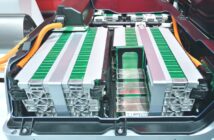
From time-to-time, clients ask us why some batteries last longer than others in terms of calendar years. The other day, a woman called. She had purchased an electric bicycle from a charity shop a few months earlier. Now she was disappointed the sealed lead-acid battery failed so soon. Clearly, the battery health was not good at the time of purchase. Here are a few things she might have asked had she known.
The Battery Manufacturer and the Brand
Not all sealed lead-acid batteries are as good. There is more to the business than joining a few cells and popping them in a case.
The better ones may cost a little more, but they should definitely last longer.
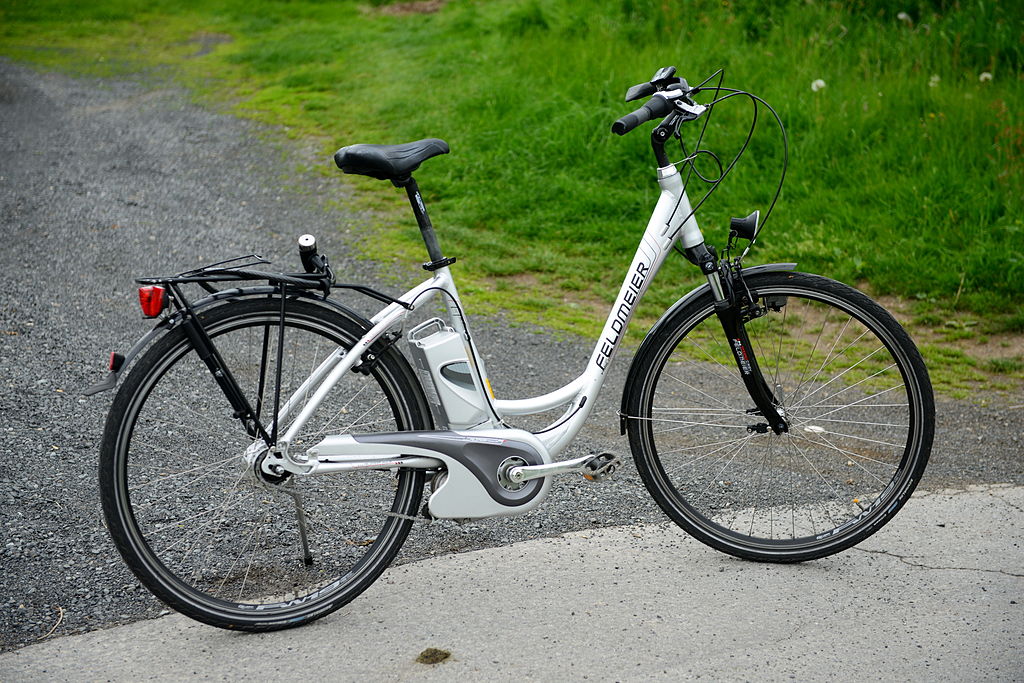
A good way to start assessing the probable state of used battery health is to compare battery guarantees between different brands. If the electric bicycle looks as good as this beauty you may need not bother.
Factors Affecting Battery Health and Life

Sealed lead-acid batteries do not last forever. Most batteries are date stamped on a sticker. Ask a dealer to interpret the code for you. We will be writing more about this in a future post.
This information is however insufficient to judge battery health on its own. We also need to know how often it has been charged and discharged. The general condition of the electrical bicycle provides useful clues.
If the tires and pedals are showing signs of wear, then chances are the battery’s state of health is questionable too. Put a multi-meter across the terminals to see whether it can still deliver its original load.
The General Condition of the Battery
Examine the outside battery casing for signs of swelling, dents, and cracking. Are the battery’s connections clean, or are there signs of white sulfation? This can suggest the battery has been idle for a while, and its state of health may have deteriorated. If a bicycle battery does not tick all the boxes in terms of battery health, then budget for a replacement.
Related
Preview Image: City Bikes