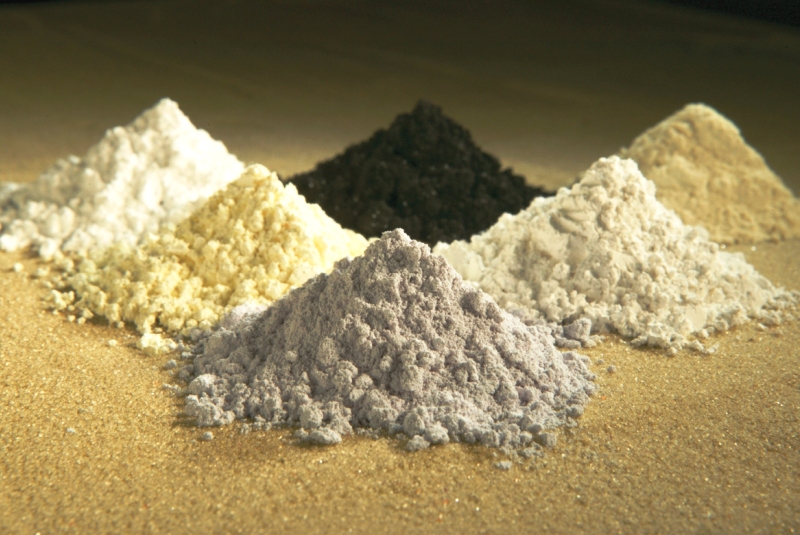
An oxide is a compound made from oxygen and another element. By way of example, lithium oxide is a compound of lithium and oxygen. We discuss the central role of oxides in batteries, that evolved because these are stable, versatile materials. But also because they store and release electrical energy in a controlled fashion.
Oxides’ Core Contribution to Batteries
Oxide compounds regularly create solid structures. These are able to receive, host, and move charged particles during battery charging and discharging. These particles include lithium ions and sodium ions, among others.
Oxides thus play an essential role in most battery electrodes. Especially their positive cathodes where metal oxides are indispensable in many chemistries.
Let’s take lithium cobalt as our example, as used in early lithium-ion batteries. Chemists assembled their oxides from alternating layers of metal atoms and oxygen atoms. These layers form a framework with spaces between, where lithium ions come and go:
- Lithium ions leave the oxide structure as a battery charges. When it discharges, they return again.
- The oxide provides a stable scaffold, holding everything together while electrons follow an external circuit.
How Oxides Play Their Core Role
Oxides assumed their role as battery science evolved. Oxides are a natural really, because oxygen forms strong chemical bonds. This characteristic gives electrodes their durability, and helps maintain their shape through many cycles.
But that’s not all there is to this remarkable compound. The central role of oxides in batteries allows engineers to fine-tune voltage, capacity, and safety too. Scientists improve matters further by switching the metal in the compound, while retaining the basic oxide framework.
Oxides provide the backbone of many battery electrodes, combining flexibility, stability, and strength. Their simple chemistry underpins much of today’s rechargeable battery technology. Oxides will continue to shape battery development going forward.
More Information
Role of Oxides in Storage Batteries