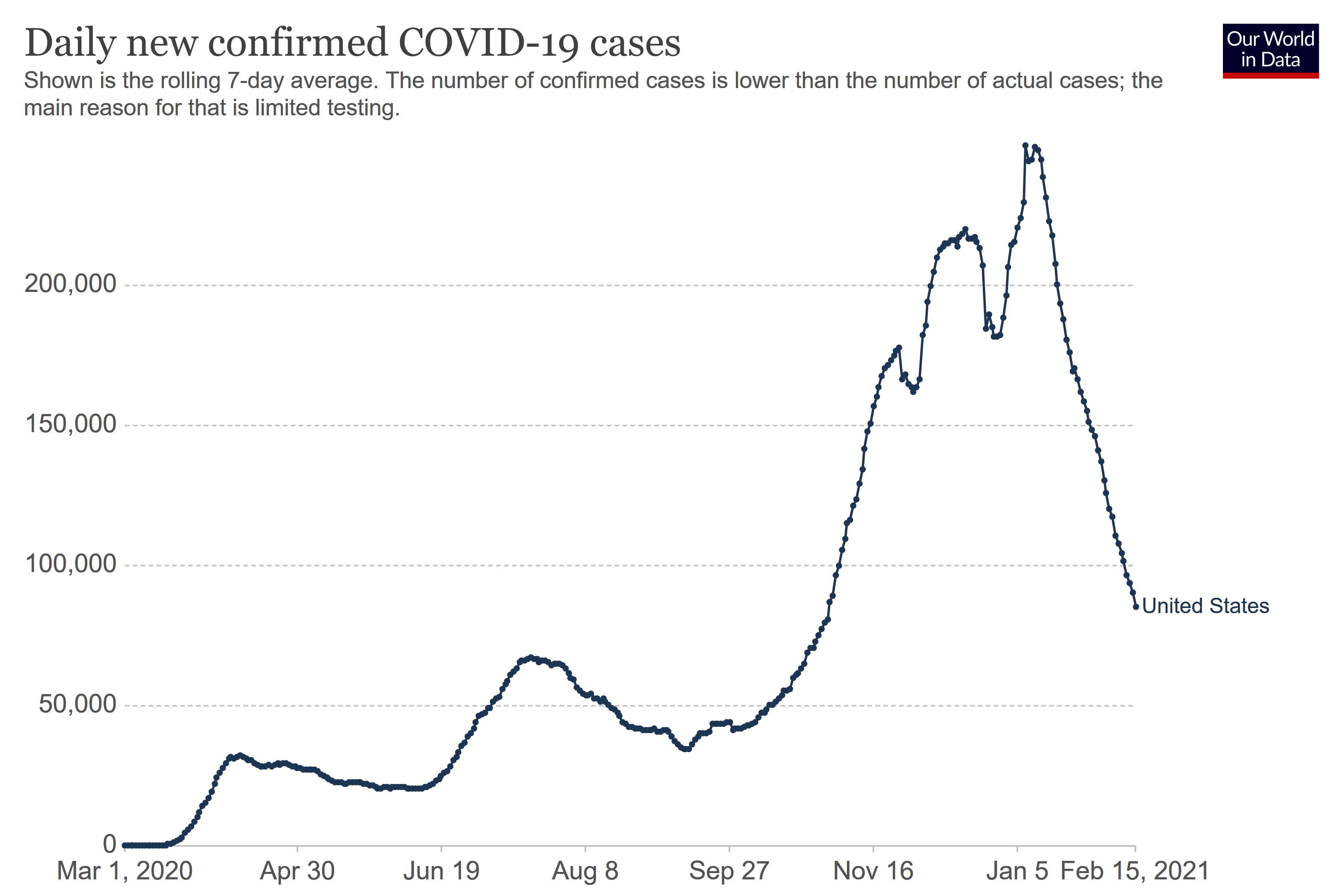
The snowstorms in the U.S. southern plains are directing freezing weather towards Washington, Oregon and Idaho in the north east. Thus this is a timely opportunity to remember COVID-19 also spreads easier in cold weather. Scientists have long known respiratory diseases like influenza are more severe in winter. This means – excuse the idiom – a perfect storm for COVID while the freezing weather lasts.
A Meteorological Model of a COVID Surge
Scientists at Nord University in Bodø, Norway confirmed earlier studies that colds and flu spread faster in lower temperatures. A second review at Pará University in Belem, Brazil found a firm link between cool weather and the spread of the virus. However, they added the presence or absence of control measures were the deciding factor.
This is not new news. Hippocrates of Kos noted the seasonal variability of diseases in 400 BC, two-and-a-half millennia ago. He wrote ‘For the coming on of winter resolves the diseases of summer. And the coming on of summer removes those of winter.’ Now scientists at UCLA have discovered cold weather affects our ability to resist COVID-19 infections too.
Why COVID-19 Spreads Easier in Cold Weather
Nat Geo Magazine cites research by Dylan Morris and colleagues at University of California, Los Angeles. They examined factors predicting COVID-19 surging in winter, including people spending more time indoors.
However, they also discovered the stability of the virus varies with temperature and air moisture. Lower temperature and extreme humidity keep it stable and infectious longer. Lower humidity may well cause virus particles to shrink and inactivate. But they soon awaken in a new host’s moist airway.
The storms sweeping the southern plains and the U.S. northeast are creating low temperatures and humidity conducive to the virus. If you are in those parts remember COVID-19 spreads easier in cold weather, and take extra care.
Related
Texas Recommends Flu Shots This Winter
The Effect of Weather on the Rate of Spread
Preview Image: U.S. Daily New COVID Cases