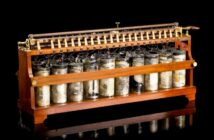
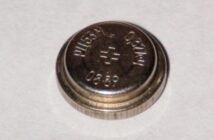
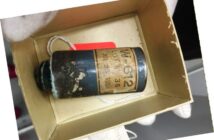
The science of electro-chemistry concerns itself with the relationship between electrical potential difference, and identifiable chemical change. Nowadays we write quite glibly about electro-chemical batteries, as if everybody knows what this means. So today we decided to address this oversight, by exploring the early days of electro-chemistry, beginning with William Gilbert.
William Gilbert and the Early Days of Electro-Chemistry
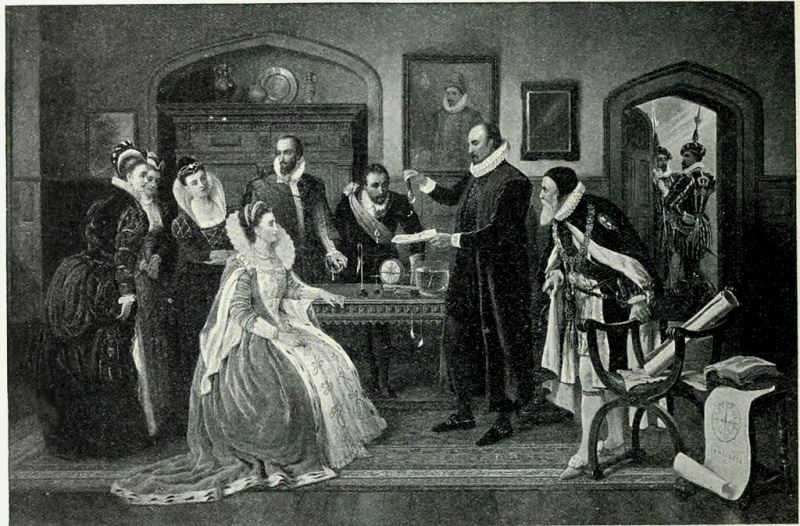
William Gilbert lived in England from 1544 to 1603. He was a physician, physicist, and natural philosopher, meaning he studied physics after discounting any supernatural influence. This approach ran counter to the prevailing Aristotelian philosophy.
Gilbert spent 17 years of his life experimenting with electricity and magnetism. The era he lived in began with understanding how these two phenomena worked, and ended with the generation of electricity. Gilbert’s most important contribution was drawing the line between magnetism and static electricity.
The early days of electro-chemistry continued with the work of German scientist, inventor, mathematician, and physicist Otto Von Guericke. Von Guericke was a religious man, who attributed the physical world to an infinite deity.
His main achievement was building the first electrostatic generator in 1663. This produced static electricity by applying friction to a pad. Von Guericke’s invention facilitated further research into electricity, and the subsequent need to store this ‘mysterious force’.
Further Progress Towards Understanding the ‘Mysterious Force’
By the middle 18th Century, French chemist Du Fay had discovered the negative and positive polarities of static electricity. In 1775, his fellow countryman Jean Antoine Nollet proposed that the mysterious force flowed between two bodies and used a ‘Leyden Jar’ for storing it.
The era of batteries had begun, although the electricity was still not tamed. Well before the close of the 18th Century, Englishman William Watson had observed that “the electrical compositions were very severe to those who held the wires” in his experiments.
More Information
Abbé Nollet Shocks Humans with Capacitors