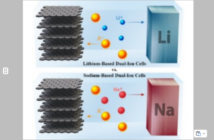
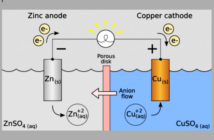
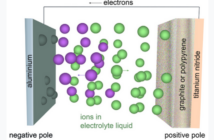
Electrochemical cell technology as we know it, does not physically scale up, as is the case with redox flow batteries. Electric vehicle batteries currently comprise myriads of small cells harnessed together to deliver the required power. Electric vehicle battery pack designs vary to accommodate large quantities of individual cylindrical, pouch, or prismatic battery cells.
Three Types of Electric Vehicle Battery Packs
The three types of electric vehicle battery pack, namely cylindrical, pouch, and prismatic, each have different features. Electric vehicle designers make their choices depending on cost, performance, and compatibility with their plans. Although the basic chemistry inside the packs may be identical.
Battery Packs of Cylindrical Cells
Cylindrical cells comprise successive layers of cathodes, separators, electrolytes, and anodes rolled up in a spiral, and secured in a robust case. The terminals are usually at opposite ends of these cases, although some larger cells may have both terminals at one end.
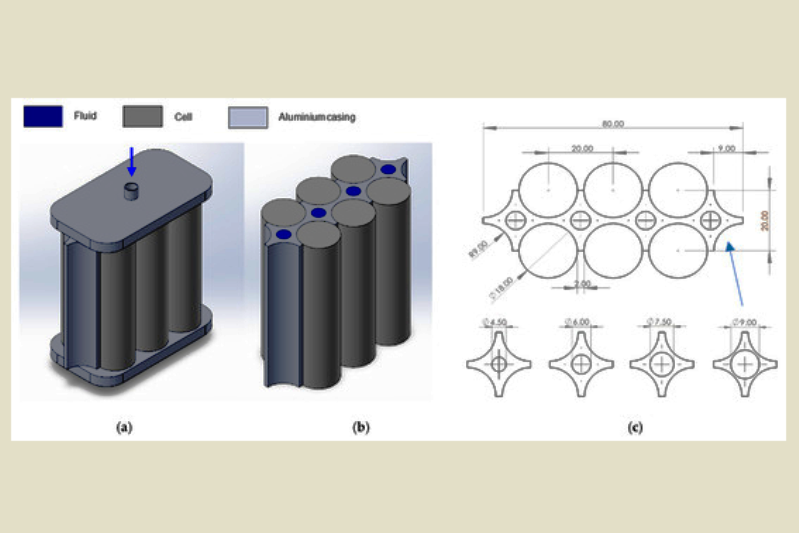
Electric Vehicle Pouch Cells
An electric vehicle battery pack of pouch cell design, also contains successive layers of cathodes, separators, electrolytes, and anodes. Except this time these are not rolled up, but stacked in a flexible pouch. This arrangement produces a flexible product able to assume different shapes, within limits, of course.

Electric Vehicle Prismatic Cells
Prismatic battery cells secure their contents inside rigid rectangular cases. The flattened version that we illustrate here, features more energy and greater durability. However, unlike the cell and pouch varieties, prismatic cell size may prevent their use in many smaller devices.

More Information
Prismatic Cells and Cylindrical Cells Compared
Pouch Cell Demand Falls as BYD Moves On
Preview Image: Three Types of Battery Cells